
THE HERON POST presents THE ARTS
ICA, Miami
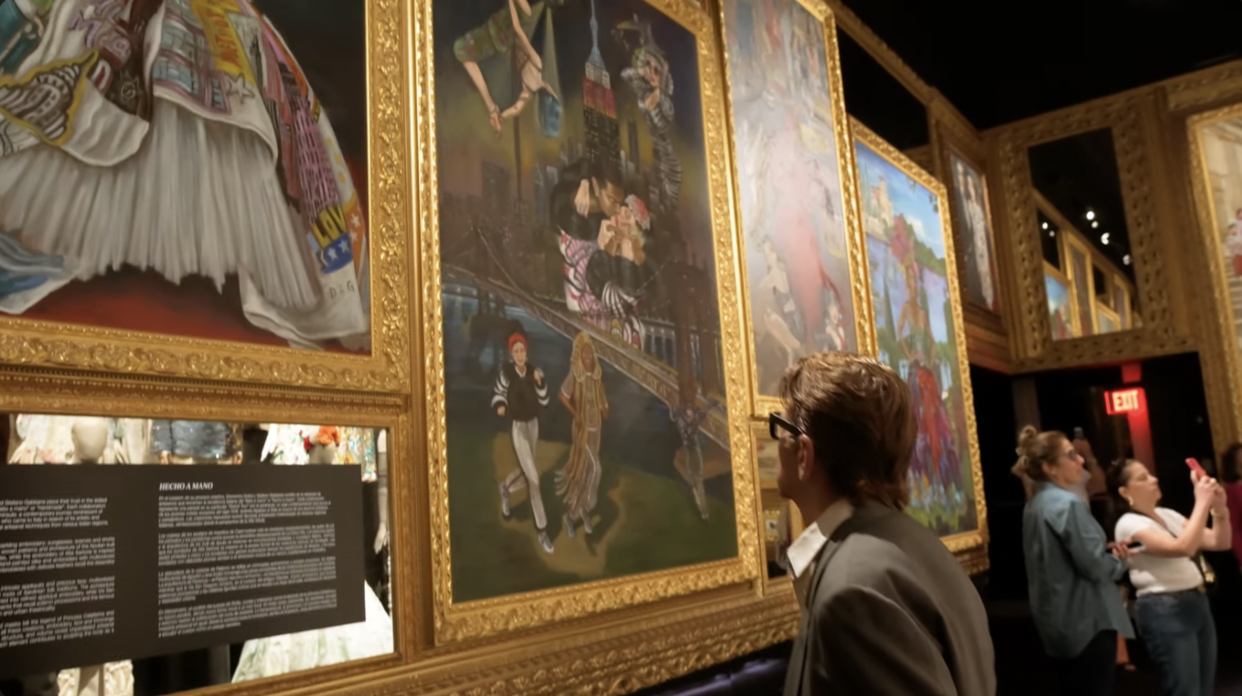
Fashion, photography, and art collided when award-winning photographer Daniel Perry visited the Dolce&Gabbana: From the Heart to the Hands exhibition in Miami.
The exhibition, which is curated by fashion historian Florence Müller, is an immersive exhibition featuring hundreds of Alta Moda, Alta Sartoria, and Alta Gioielleria pieces from the brand with a display of handmade craftsmanship and creative processes.
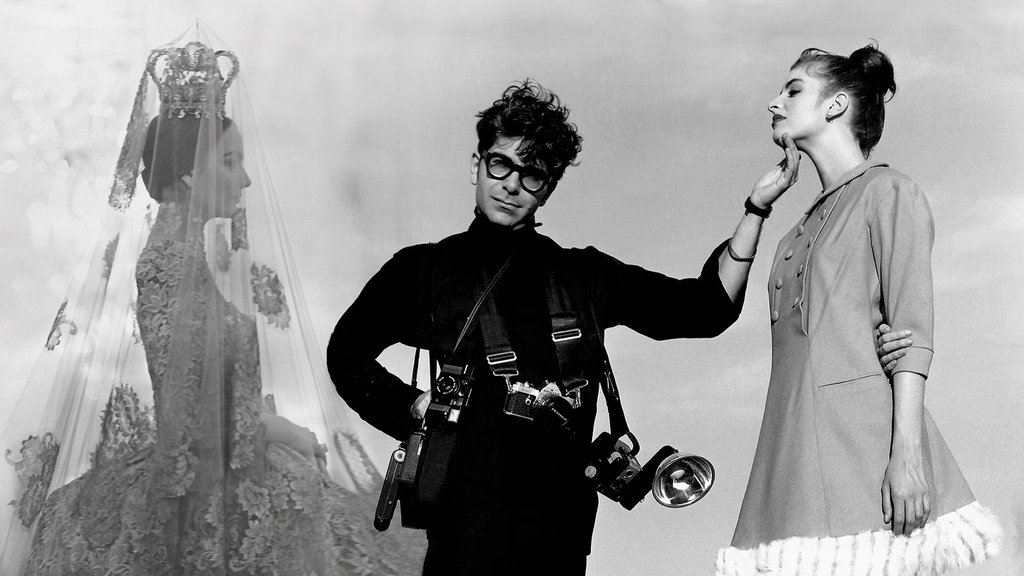
As a fashion and celebrity photographer, Daniel Perry found not just a stunning fashion presentation but also a connection from his past.
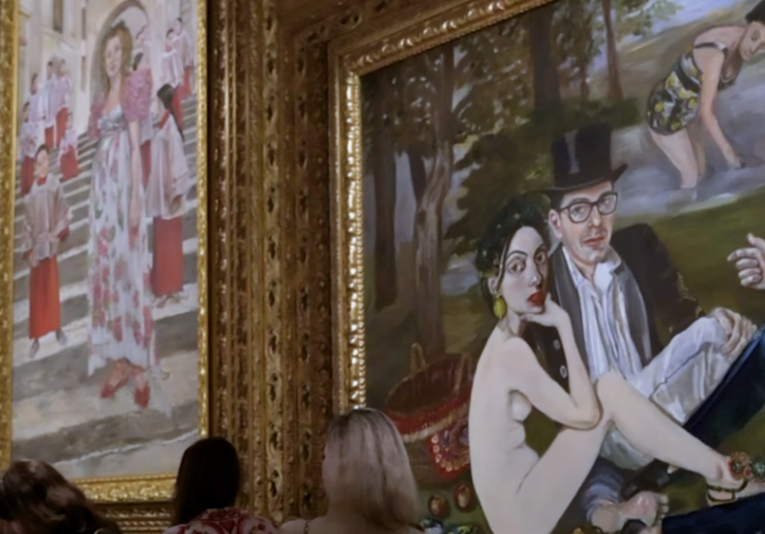
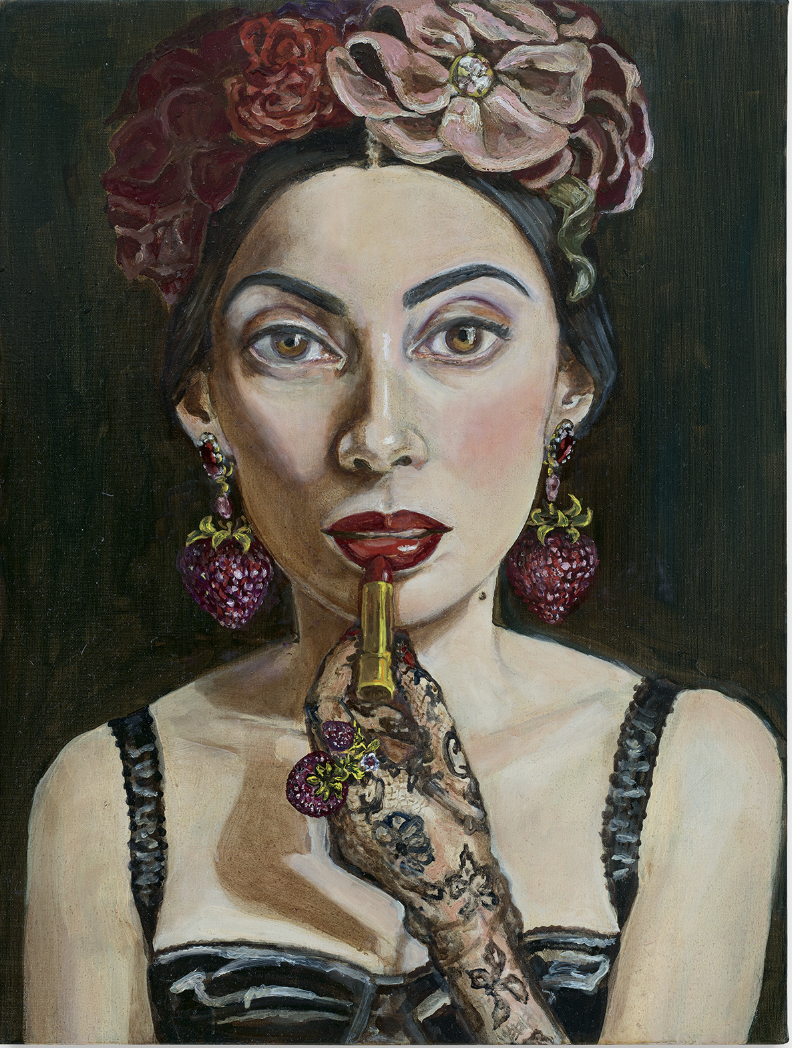
Artwork by Anh Duong
His connection to Anh Duong stretches back more than 16 years, first encountered while at Barneys New York. But his awareness of her work predates even that moment—rooted in his time within the downtown New York art and fashion world, where Duong emerged alongside a generation of artists defining a new cultural language in the 1980s and 90s.
“I had known about her work for quite a while already,” Perry recalled. “I was part of the downtown New York scene, and she was part of the scene that grew at the same time as Keith Haring and Basquiat and those artists. She had such a distinctive style, and people were naturally drawn to her.”
ICA MIAMI: A DIFFERENT KIND OF EXHIBITION
At the Dolce&Gabbana: From the Heart to the Hands exhibition at the Institute of Contemporary Art Miami, Perry saw more than a fashion archival display. He saw a shared love for fashion through designers, ateliers, artisans, and artists working in parallel—all true artists, all made from hand. What stood out to him was not only the scale of craftsmanship, but the decision to include external artistic voices like Anh Duong.
“I was glad to see her work there,” he noted. “I can appreciate that the designers themselves would include her—that their ego was not so involved that they would include other artists.”
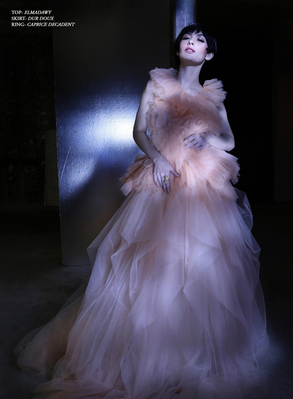
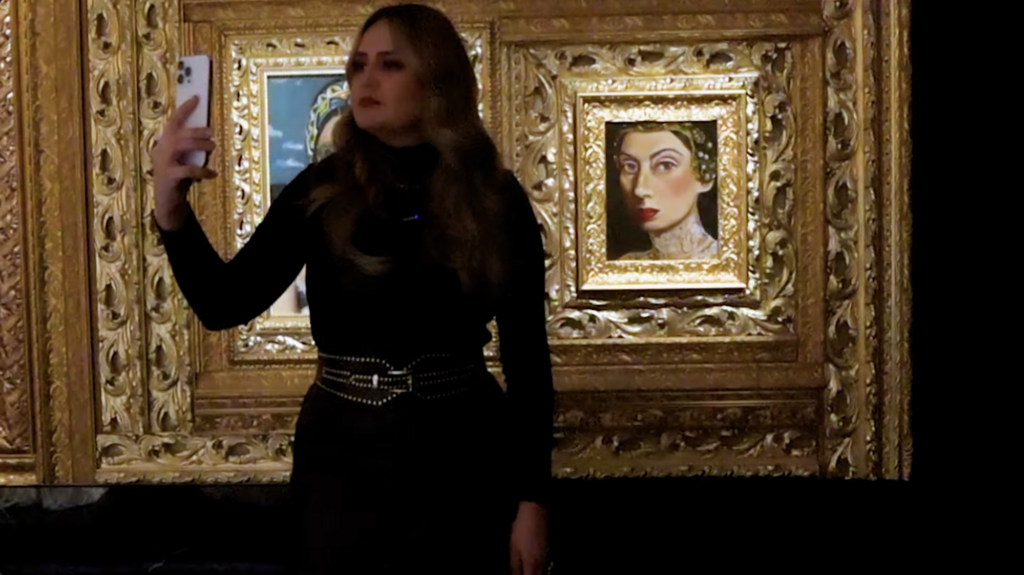
There was an immediate response from Perry who believed Anh Duong played a bigger role in the lives of Dolce&Gabbana than otherwise publicly noted. The first room as you enter the exhibition showcases the entire history of couture fashion, and on every wall, from floor to ceiling, are Duong’s paintings displayed in elaborate, handcrafted frames.
“And obviously she has played a special part in their lives as a muse,” he mentioned. Being involved in the fashion scenes of New York and Paris with the same crowds, Perry understood the importance of a muse. He, himself, has worked with and collaborated with many muses, some of which would go on to become famous actors or personalities in the public eye. For Dolce&Gabbana, one of the top luxury fashion brands, they surely had access to many muses. He added, “But I think she was the primary one.”
THE MUSE AS CREATIVE FORCE
Perry’s perspective on Duong’s role went beyond passive inspiration. He framed the muse not as a subject, but as an active creative counterpart.
“As a muse,” he explained, “your role is to befriend the artist and bring to the table perspectives and inspire them as a female counterpart. They need that female energy—you have to see things from a female perspective as well.”
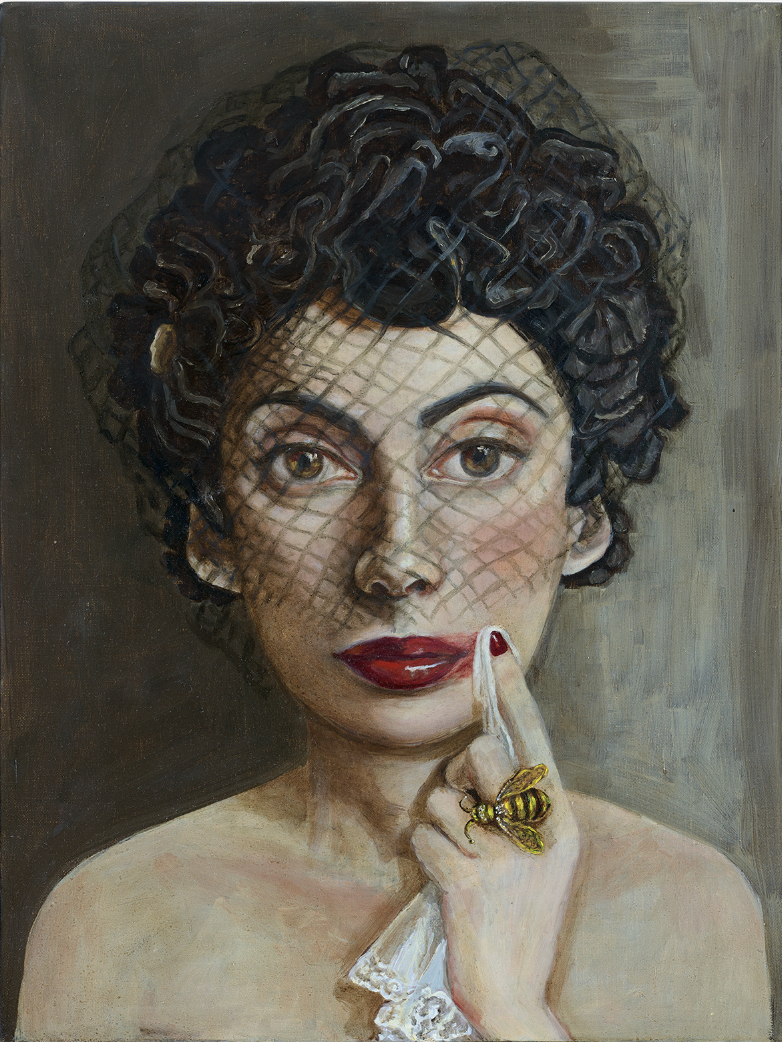
In Duong’s case, that dynamic was visible in her dual identity as both subject and creator—an artist who paints herself while simultaneously existing within the visual language of fashion history.
Her presence in From the Heart to the Hands became, in Perry’s view, a continuation of that dialogue rather than a static credit.
Journalist Silvana Camargo
“As creatives growing up in the fashion and art world in the 80s and 90s,” he said, “there was so much more money and true luxury—not like it’s idolized today. Fashion was integrated into everyday life.”
He contrasts that era with the present, where fashion has become increasingly mediated through entertainment and external consumption rather than true cultural participation.
“Today, fashion is a form of entertainment,” he reflected. “Previously it was integrated into everyday life. New York was a center for fashion, but now the market is more centered in Europe and it is no longer centered in avant-garde and cultural designers. New York is more centered in sportswear.”
Still, he predicted a return of a golden age.
“I think there is going to be a return to artisans,” he said. “After this transition, people won’t be as wrapped up in politics and survival. There will be a new golden age. But Dolce&Gabbana were ahead of their time and had one foot in the future and one foot in the past, and that’s how I related to them as well.”
PAST AND FUTURE
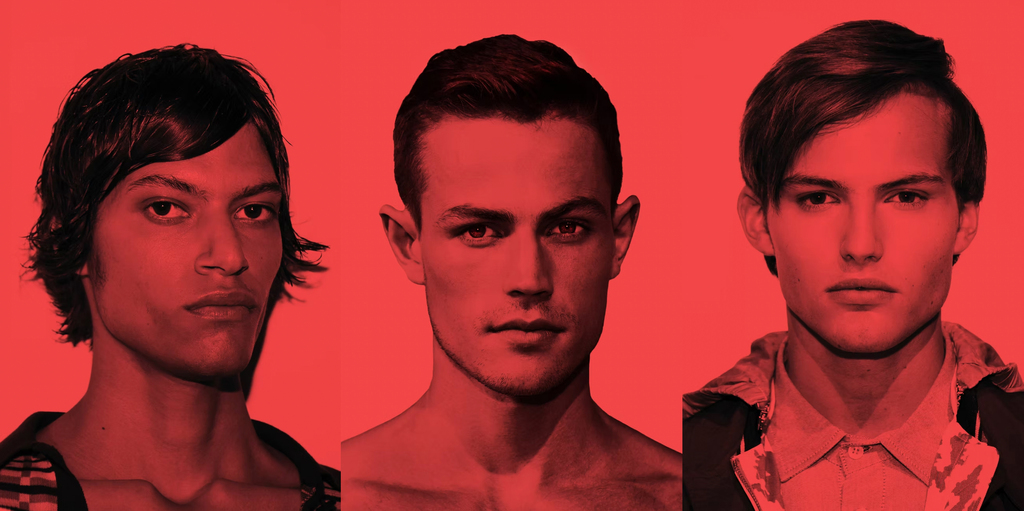
Beyond exhibitions, Perry is currently developing personal projects rooted in documentation and cultural memory. He has two books in progress, including a retrospective featuring models who became public figures, actors, and cultural personalities—works that blend analog and digital photography.
Duong’s painted self-images, Dolce & Gabbana’s exhibition, and his own photography—they all have a common theme: What does it mean to be seen and remembered within a culture that is constantly changing how it looks?
Watch the full film
See more of Anh Duong's work:
See more of Daniel Perry’s work: