THE HERON POST presents NEWS
Palm Beach
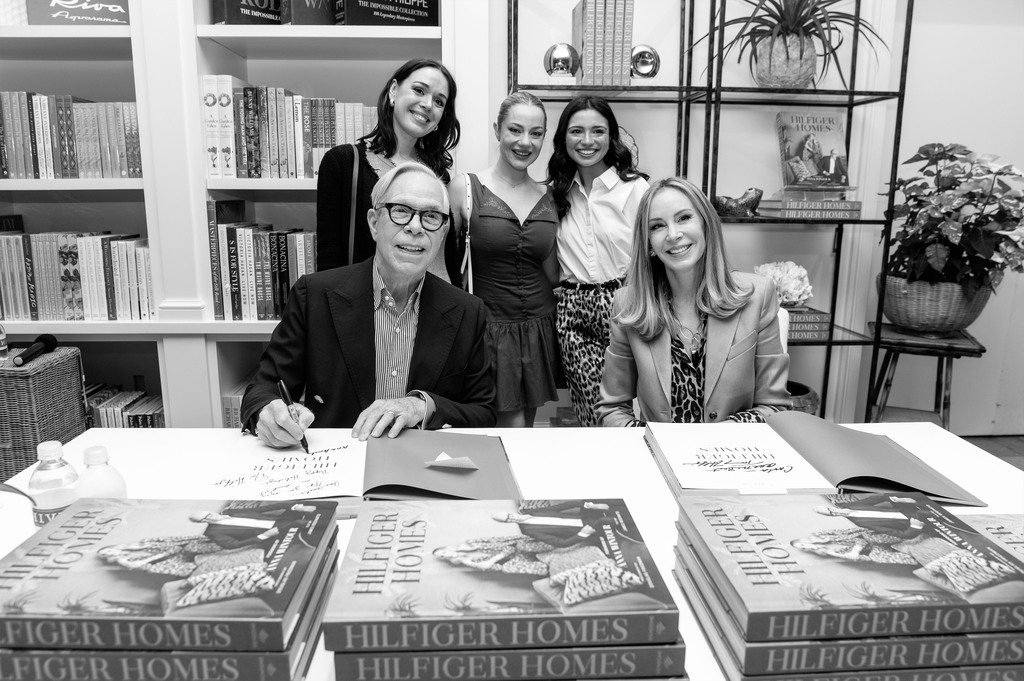
Miss Palm Beach Gracie Gaylord and Tommy Hilfiger
Tommy Hilfiger has built an empire on the American dream, wrapped in preppy stripes and primary colors. So when he walks into a potential new home, he's not looking for subtle. He's looking for a canvas—and apparently, he's looking at your shoes.
"But his shoes... Did you see his shoes?" Hilfiger recalled December 10 at Hive Home, Gift & Garden, recounting the moment he and his wife Dee toured a property they would eventually purchase and completely transform. "I can't live in a house like that. The guy has horrible taste!"
The packed room of design enthusiasts and Palm Beach socialites erupted in laughter. It was precisely the kind of unfiltered assessment that has made Hilfiger a household name for nearly four decades, and it's the same instinct that drives the couple's approach to real estate—an approach now on full display in their new book, "Hilfiger Homes," published by Vendome Press.
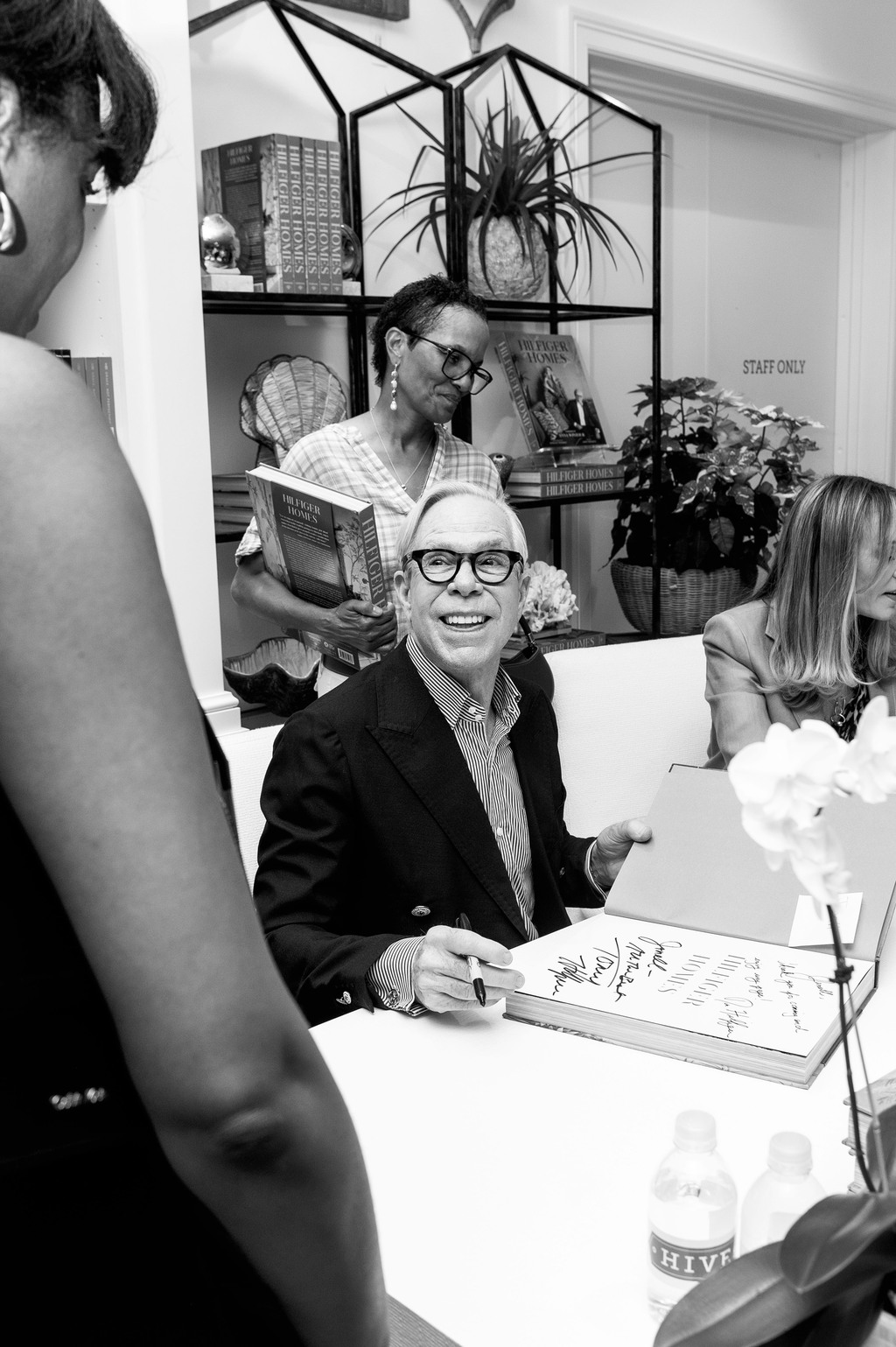
The evening marked a rare public appearance for the couple to discuss their personal design philosophy, joined by longtime collaborator Cindy Rinfret, the Connecticut-based interior designer who has helped translate the Hilfigers' bold visions into livable spaces across seven properties featured in the 304-page tome.
What emerges from the book—and from the December 10 discussion—is a portrait of tastemakers who have spent decades refusing to settle into a signature style, even as doing so would be far easier and more marketable. Each of their homes, from a tropical Palm Beach estate to a retro-glam Miami retreat, represents a complete reinvention.
The Hilfigers explained during the question-and-answer session that they embrace change and the ability to do something very different every time, as guests sipped champagne and flipped through glossy pages of maximalist bedrooms, sleek modernist kitchens, and Americana-inspired living rooms.
It's an unusual philosophy in luxury real estate, where many collectors develop a cohesive aesthetic and apply it uniformly. Think of Ralph Lauren's ranches, all saddle leather and tartan, or Diane von Furstenberg's bohemian-chic spaces. The Hilfigers, by contrast, seem constitutionally incapable of repeating themselves.
Their Palm Beach home bursts with tropical color and pattern—bold florals, bright greens, and enough visual energy to fuel a small city. Turn the page, and their Miami property pulls from a completely different era: retro-glam with vintage furniture, geometric patterns, and the kind of 1970s swagger that feels both nostalgic and impossibly current.
Rinfret, who has worked with the couple for more than two decades, described the collaboration as one of constant discovery. The Hilfigers are never afraid to take risks, she noted, and will build entire rooms around a single color, pattern, or piece of furniture that catches their eye.
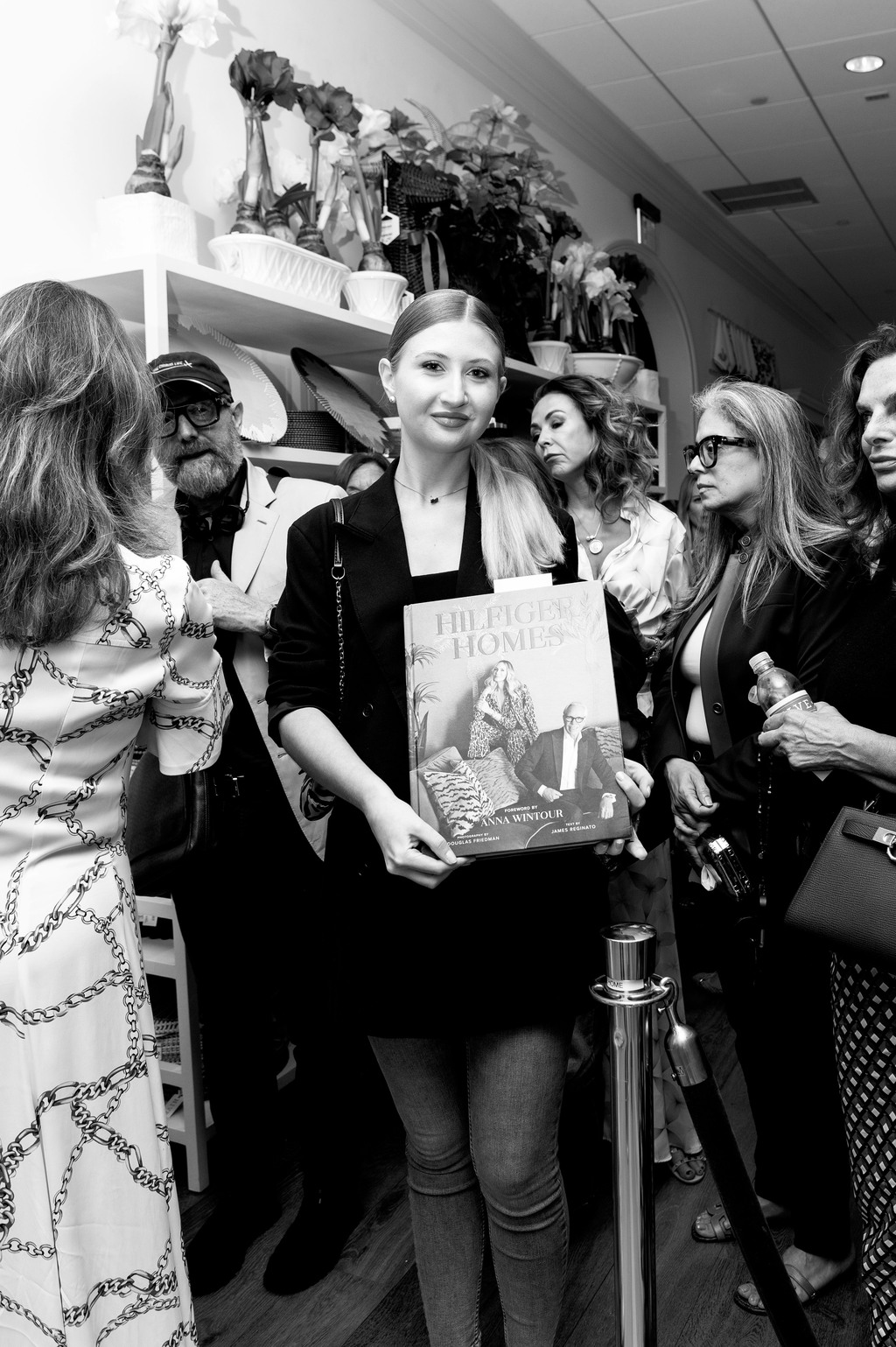
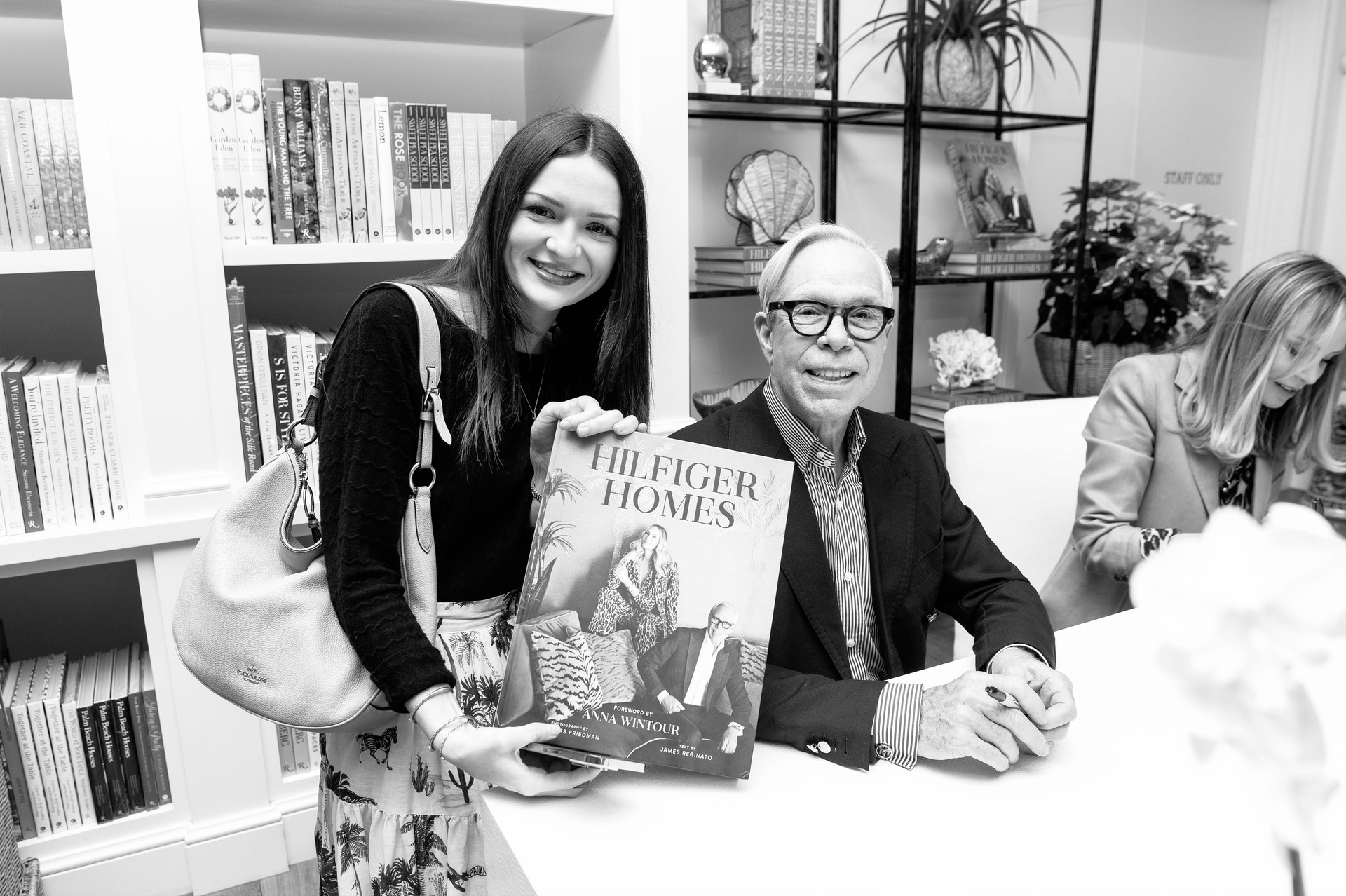
Singer Eve Linae holding her copy of Hilfiger Homes
That approach has produced spaces that feel less like carefully curated museum pieces and more like living, breathing expressions of personality. A Connecticut estate channels New England tradition with a contemporary edge. A Greenwich Village pied-à-terre embraces urban sophistication. A Mustique retreat goes full Caribbean fantasy.
The variety reflects not just aesthetic restlessness but also the couple's life trajectory. Each home marks a different chapter, a different set of priorities, a different version of themselves. Tommy Hilfiger, now 73, built his brand on aspirational Americana—the clothes that made you look like you summered in Nantucket even if you'd never left the Midwest. His homes, it turns out, are aspirational in a different way: They suggest that reinvention isn't just possible but necessary.
The Hilfigers resist being pinned down to a single style, preferring instead to let each property reflect a distinct mood and moment in their lives. That answer might frustrate design purists who believe in the gospel of a unified aesthetic. But it resonates in an era when flexibility and adaptation have become survival skills. The Hilfigers change homes the way most people change clothes—frequently, confidently, and without apology.
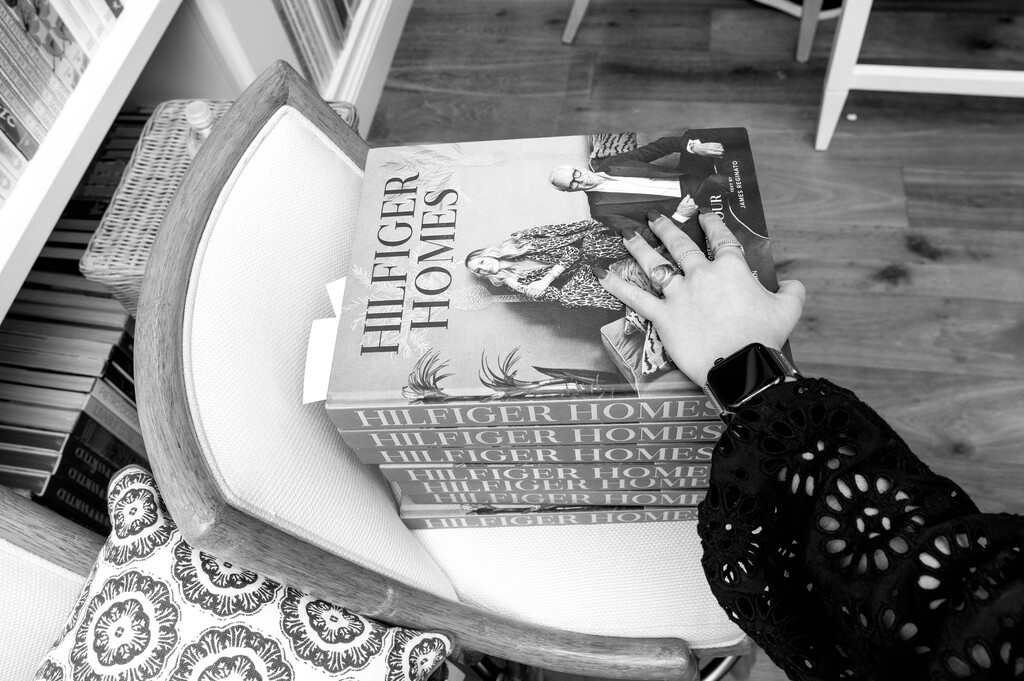
The book itself is a hefty production, the kind of coffee table volume that announces its presence in a room. Published by Vendome Press, known for high-end design monographs, it features photography by Eric Piasecki and text that contextualizes each property within the Hilfigers' broader life and work.
But what makes "Hilfiger Homes" more than just another celebrity vanity project is its willingness to show the full range of the couple's aesthetic impulses. There's no through-line being forced, no brand consistency being maintained. It's seven homes, seven distinct personalities, seven arguments for why playing it safe is overrated.
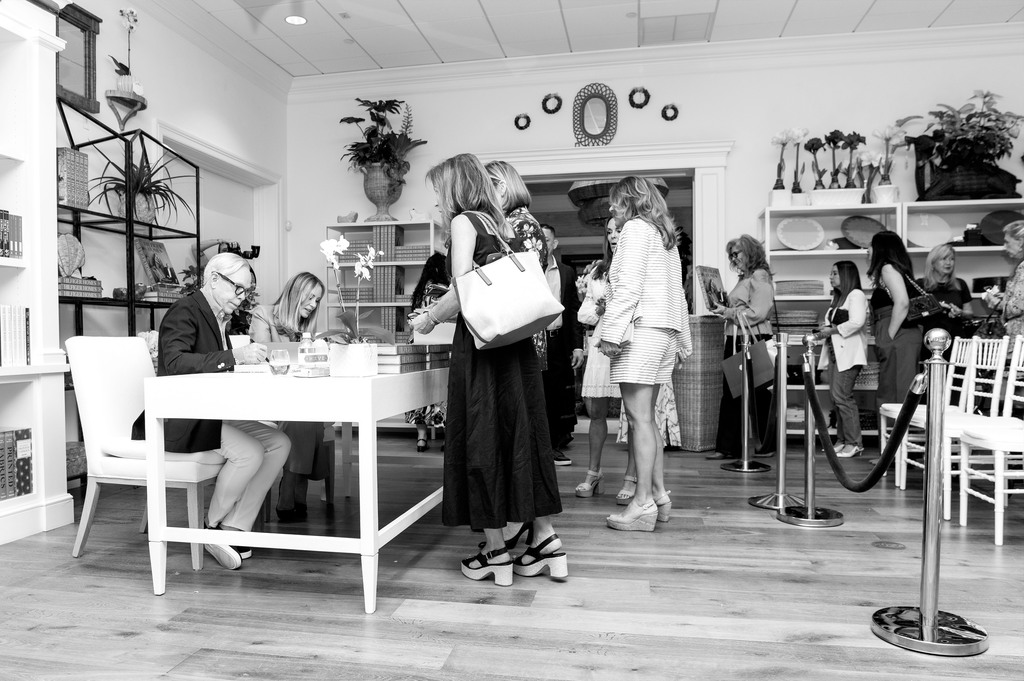
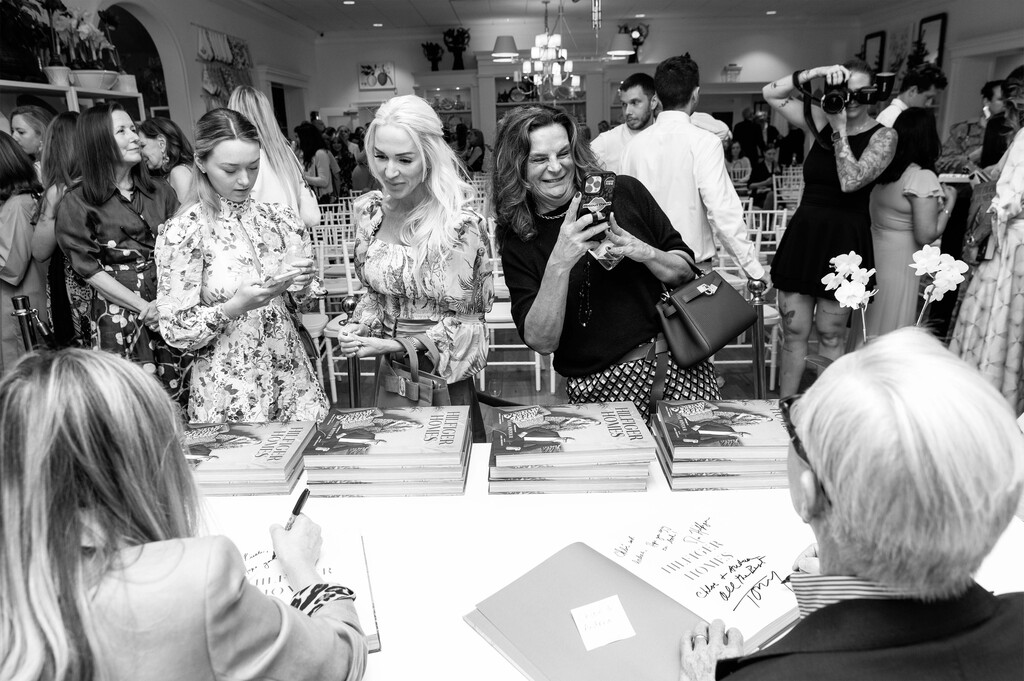
As the December 10 event wound down and guests lined up for book signings, the message seemed to resonate. In a design world often dominated by Instagram-ready neutrals and the tyranny of good taste, the Hilfigers are making a case for something messier, bolder, and ultimately more human: the freedom to change your mind.
The Hilfigers emphasized that design should be fun—a philosophy that begs the question of why anyone would want to do the same thing twice.
Why indeed. In a world that often rewards consistency above all else, the Hilfigers have built their legacy—in fashion and now in homes—on the radical notion that reinvention isn't just an option. It's the whole point.
"Hilfiger Homes" is available at Hive Home, Gift & Garden in Palm Beach and through Vendome Press.