
THE HERON POST presents THE ARTS
The Art Institute of Chicago
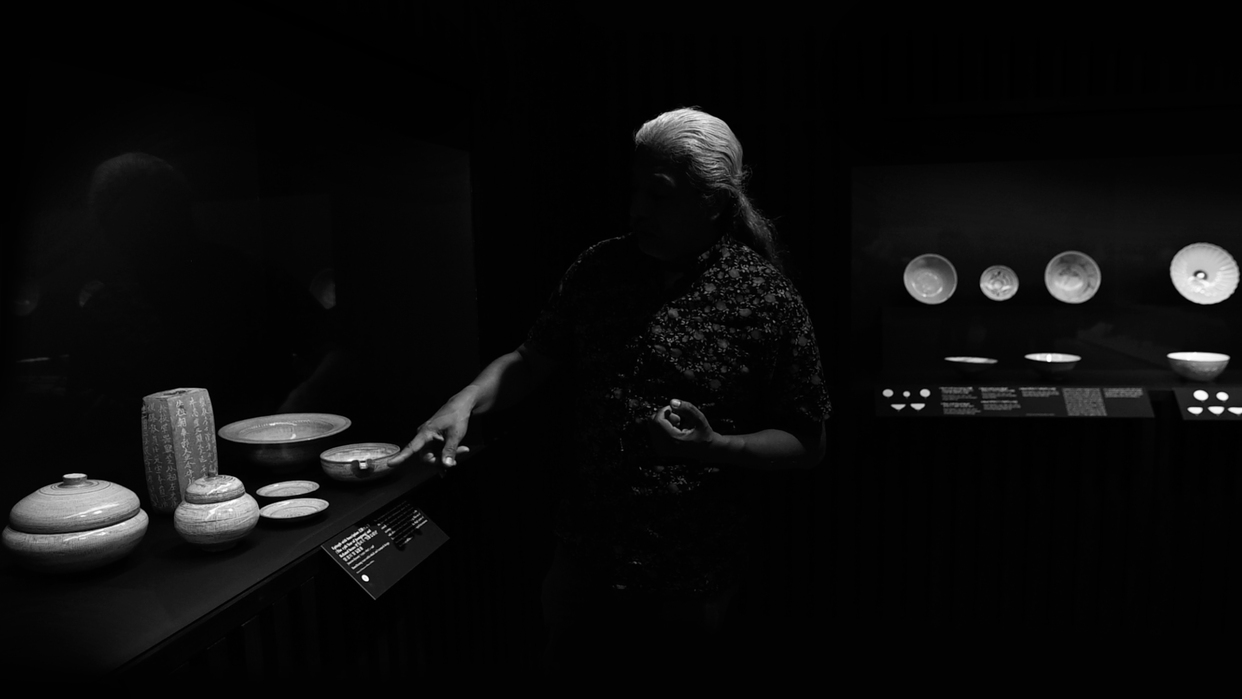
The Art Institute of Chicago's sweeping exhibition, Korean National Treasures: 2,000 Years of Art, on view through July 5, drew visitors from across the city and beyond — including artists who saw in its galleries a reflection of their own creative practice.
Saul Aguirre, a Chicago-based artist and curator whose work is rooted in the visual culture of the city's Mexican and Latino communities, was among those who moved through the exhibition's 140 works with a practiced eye. What he found surprised him.
"They're functional," Aguirre said, pausing before a case of traditional vases, "but they are not as perfection. They have their own identity of the piece itself."
It was precisely that kind of looking — close, technical, and rooted in the knowledge of a maker — that the exhibition rewarded. For guests willing to engage with the craft itself, the 2,000-year distance collapsed. Understanding how an object was made, what traditions shaped its form, and what it was meant to communicate became a bridge across time and culture. At the Art Institute, visitors found unexpected common ground between vastly different worlds — Mexican and Korean artistic traditions among them — bound together by the shared human instinct for storytelling through art.
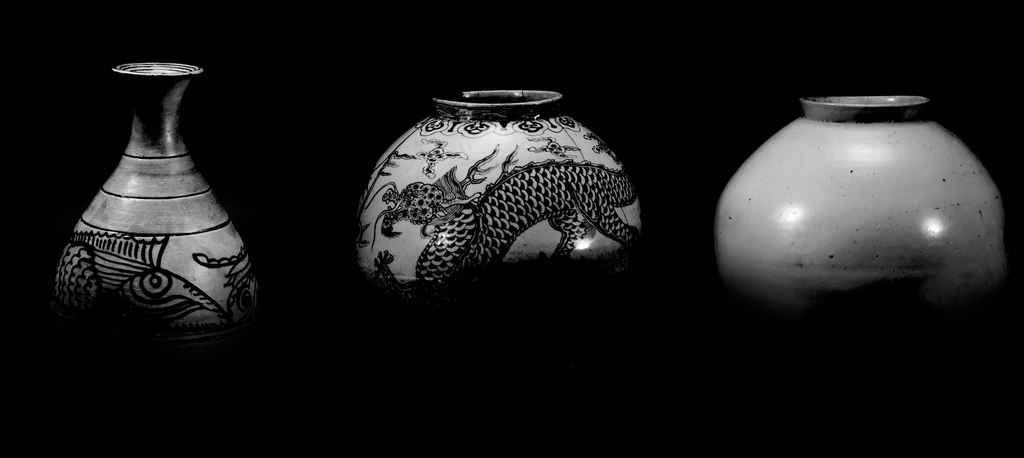
The exhibition, the largest the Art Institute had devoted to Korean art in four decades, drew entirely from the Lee Kun-Hee Collection — a gift of more than 23,000 works donated to the Korean people in 2021 by the family of the late Samsung chairman. Twenty-two of the 140 objects on view carried official National Treasure or Treasure designation from the Korean government, ranging from a 6th-century gilt bronze Buddhist sculpture to Joseon dynasty paintings to late 20th-century canvases.
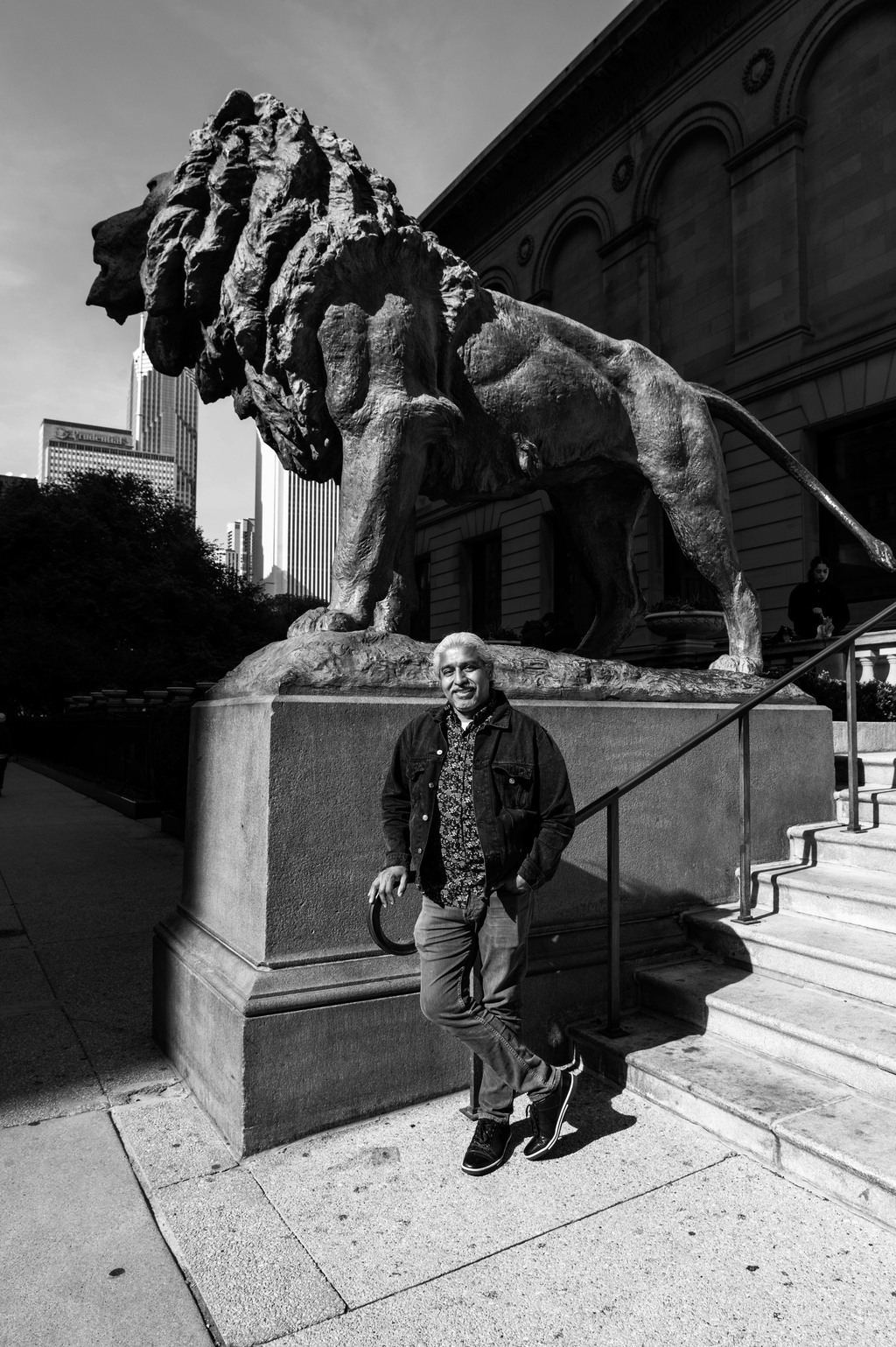
Saul Aguirre
For Aguirre, the exhibition opened a conversation about craft, cultural continuity, and the way local artists absorb and transform inherited traditions — questions he navigated daily as both a multi-disciplined artist and a curator invested in Chicago's artistic communities.
He drew connections between the techniques and symbolic motifs visible throughout the Korean works and the approaches he saw among Chicago artists, particularly those working within living folk, craft, and large-scale mural traditions. The impulse to make objects that were simultaneously useful and expressive, rooted in community yet distinctly individual, felt familiar.