
THE HERON POST presents ICONS
Miami
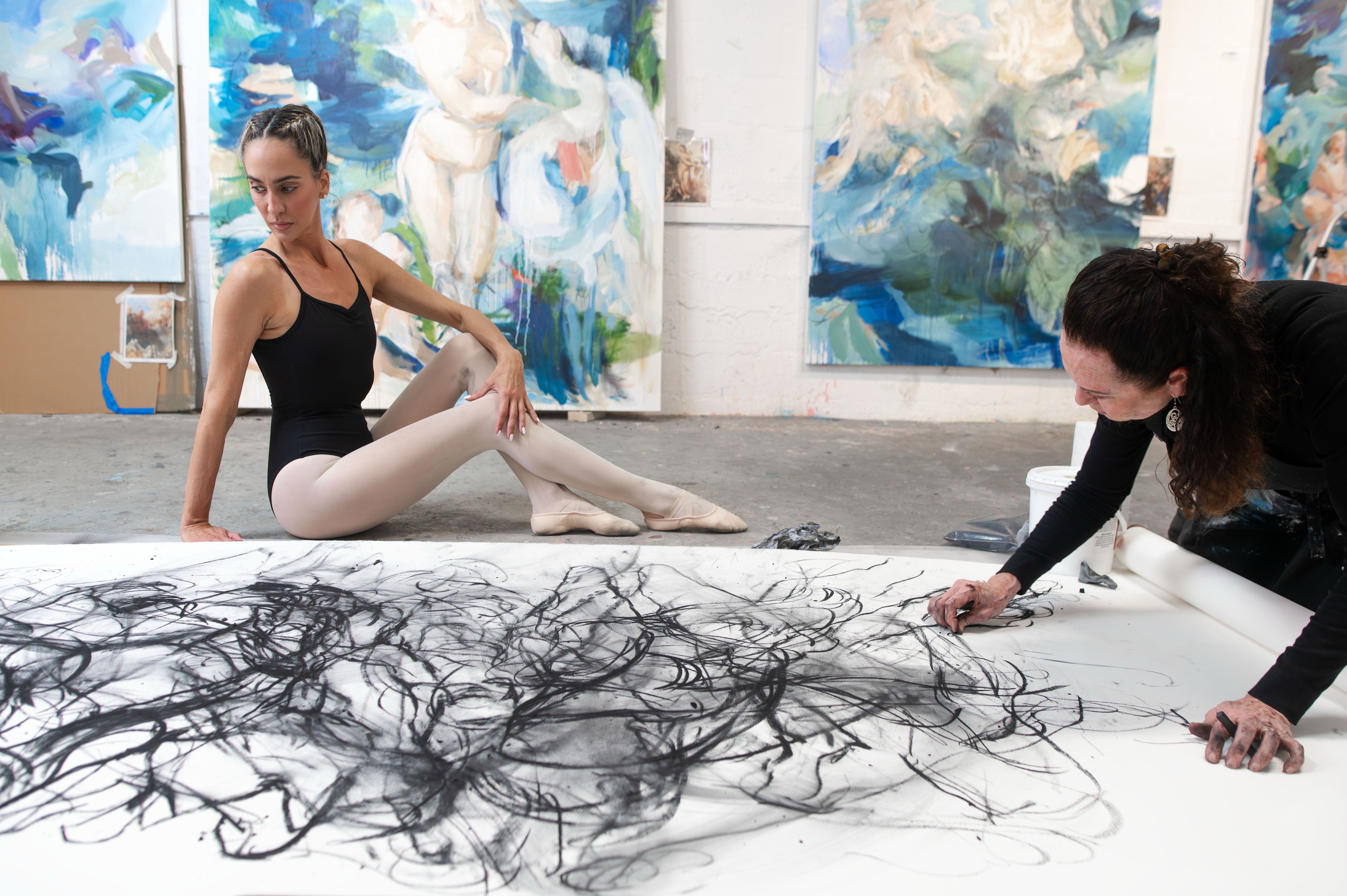
For nearly five centuries, drawing was treated as a rough draft — the stage before a "real" painting began. Patricia Schnall Gutierrez has spent almost five decades arguing the opposite. For Patricia, charcoal is not preparation. It is the creative expression and final, restless form.
Patricia's subject has expanded to include the entire art-historical record of how women have been drawn, painted and reinterpreted, almost always through a man's eyes, from Leonardo Da Vinci to Willem De Kooning.
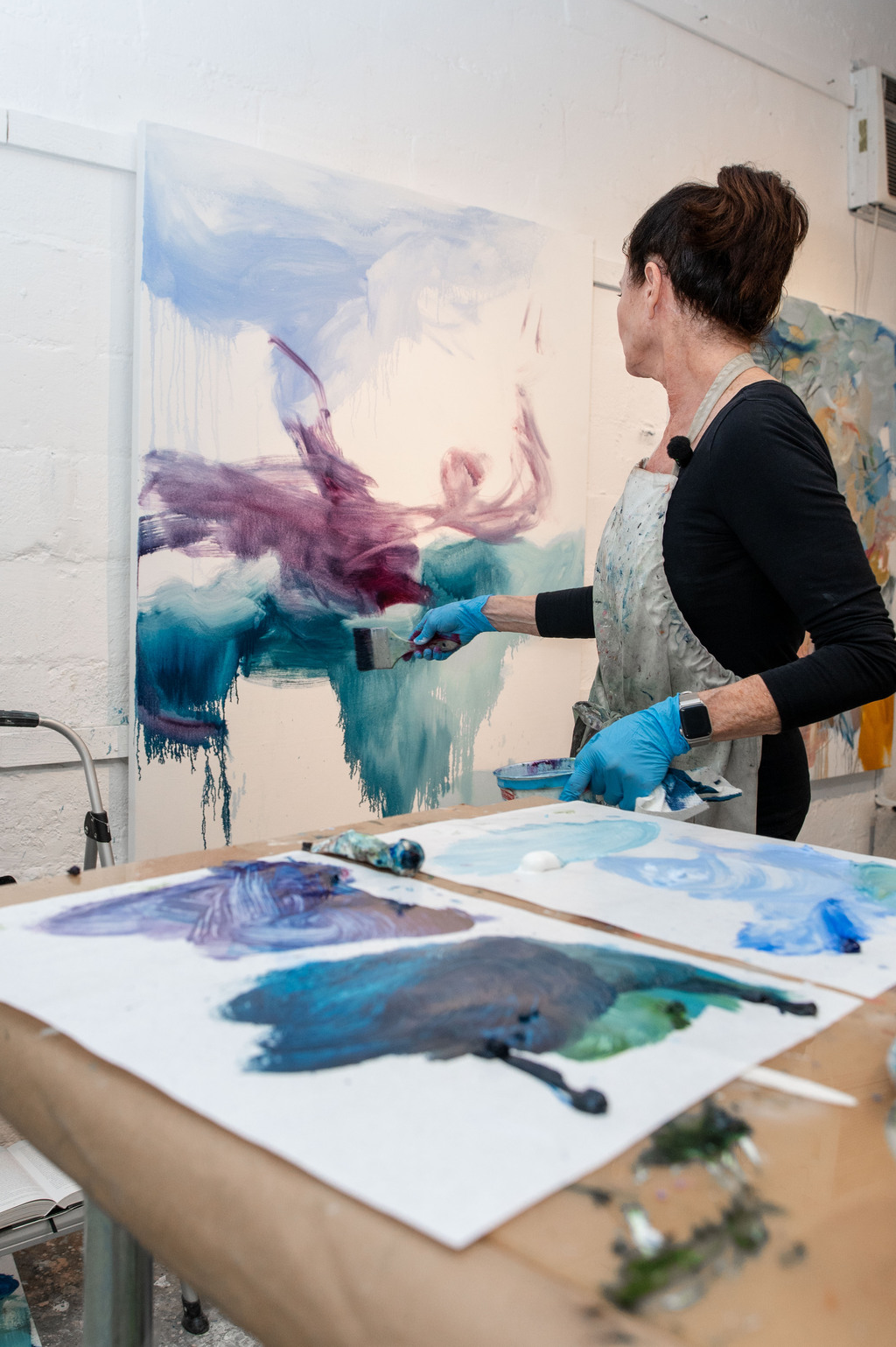
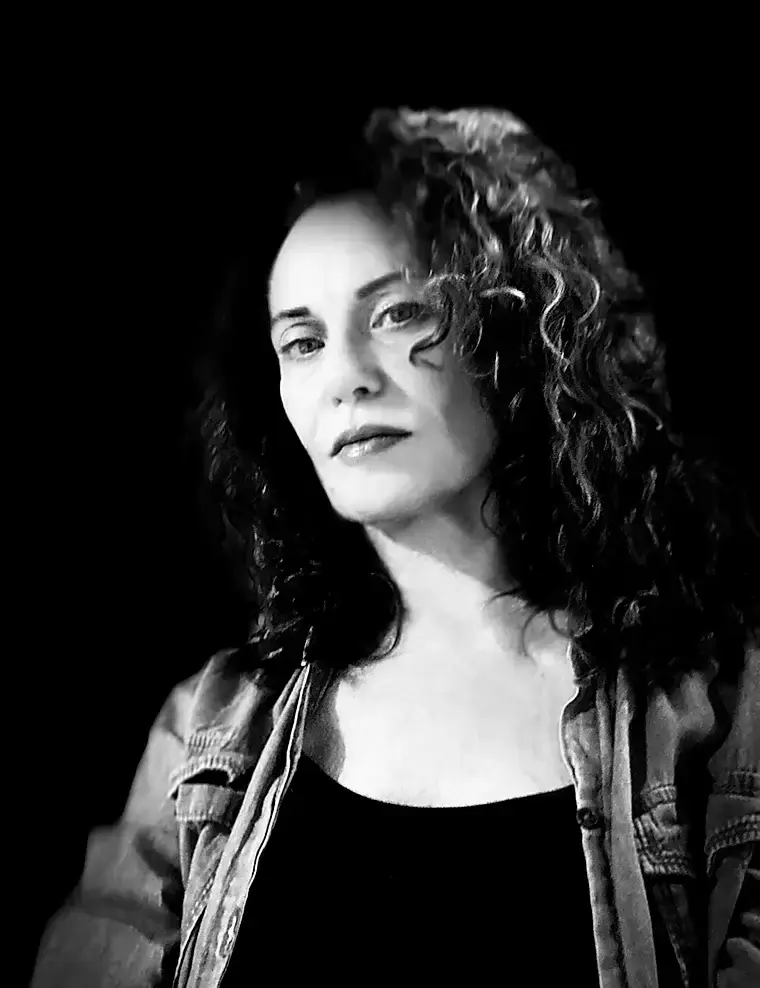
Patricia Schnall Gutierrez
Fearless. Unrelenting. Always experimenting.
Patricia is an artist who cannot be contained to one category. She's known less for chasing trends than for a singular, decades-long obsession: telling women's stories the way she believes they actually deserve to be told.
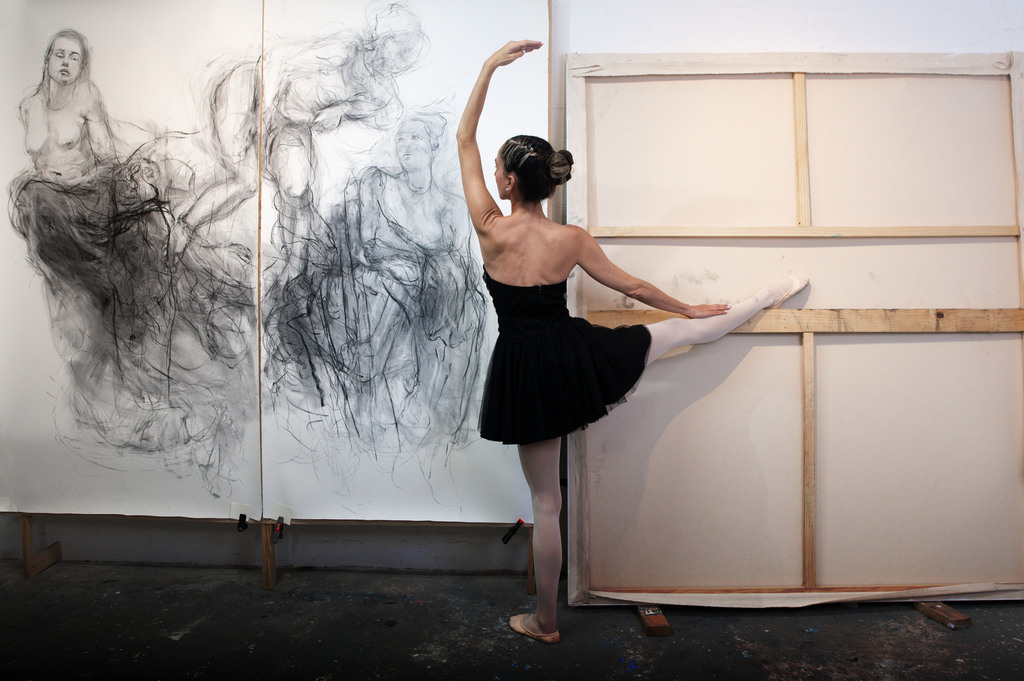
Documentary footage of a ballet dancer inside Patricia's studio

The Burlington House Cartoon, Leonardo Da Vinci
Leonardo da Vinci's Burlington House Cartoon — his only surviving large-scale drawing — reveals a rare insight into the creative process of the master. He began with loose outlines, then built up form through layered shading, pushing some passages to near-completion while leaving others as bare, gesture outline.
His technique of blurring hard edges into soft transitions, known as sfumato, brought the artwork to reality and let him avoid committing to a final line before the form beneath had settled. The drawing is, in effect, a record of thinking in progress — dense in places, abandoned mid-thought in others — decisions and calculations documented through charcoal.
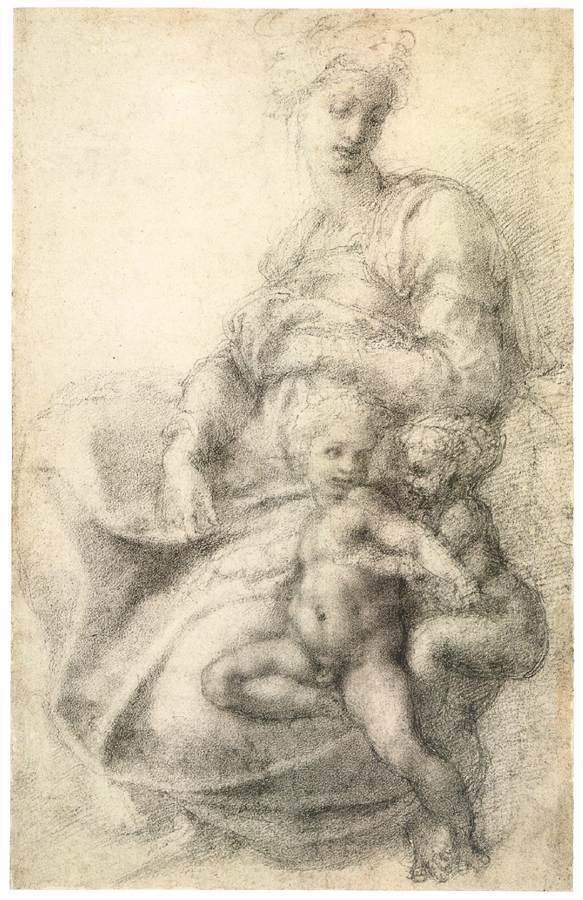
Madonna and Child with the Infant Saint John, Michelangelo
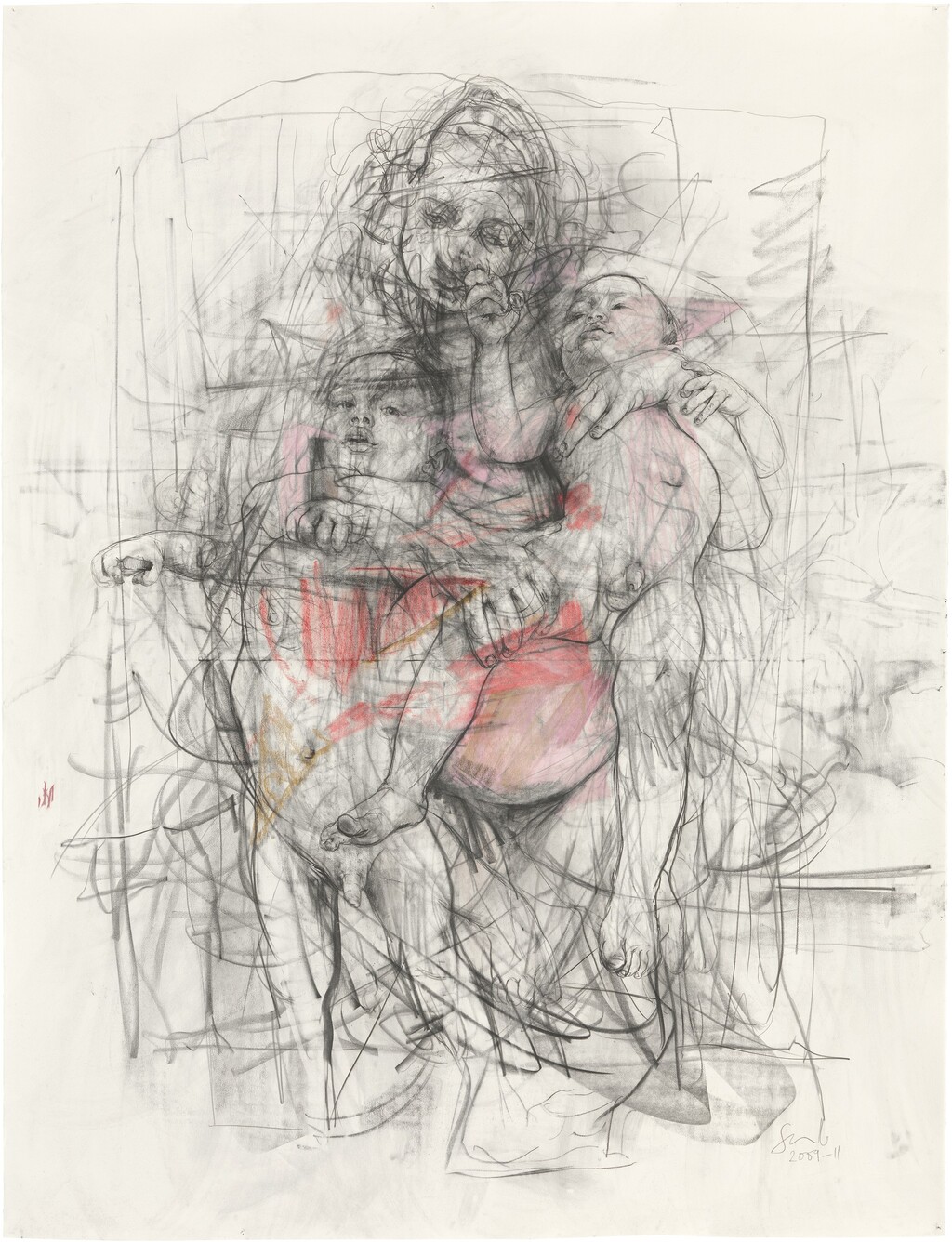
Study for Pentimenti I, Jenny Saville
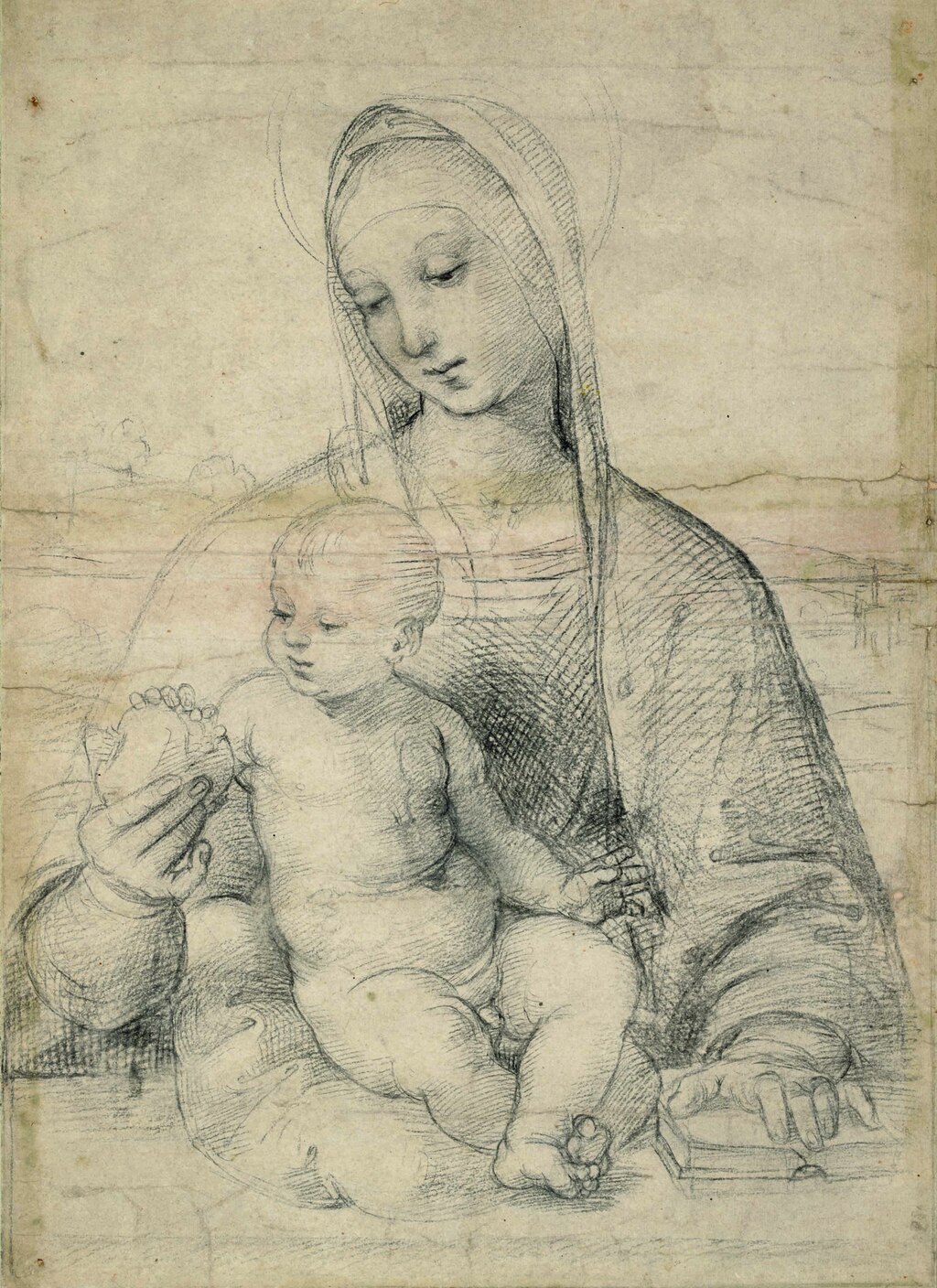
The Virgin with the Pomegranate, Raphael
Patricia works from a related instinct. Where Leonardo built a figure up gradually and cautiously, she pushes a piece toward ruin and starts again — destroying a drawing outright, then returning to it a day or two later with determination. In both cases, what looks unfinished isn't a failure of technique. It is the technique. What was considered a draft for final paintings, and later discarded during the time of the Renaissance, is a treasured practice for Patricia.
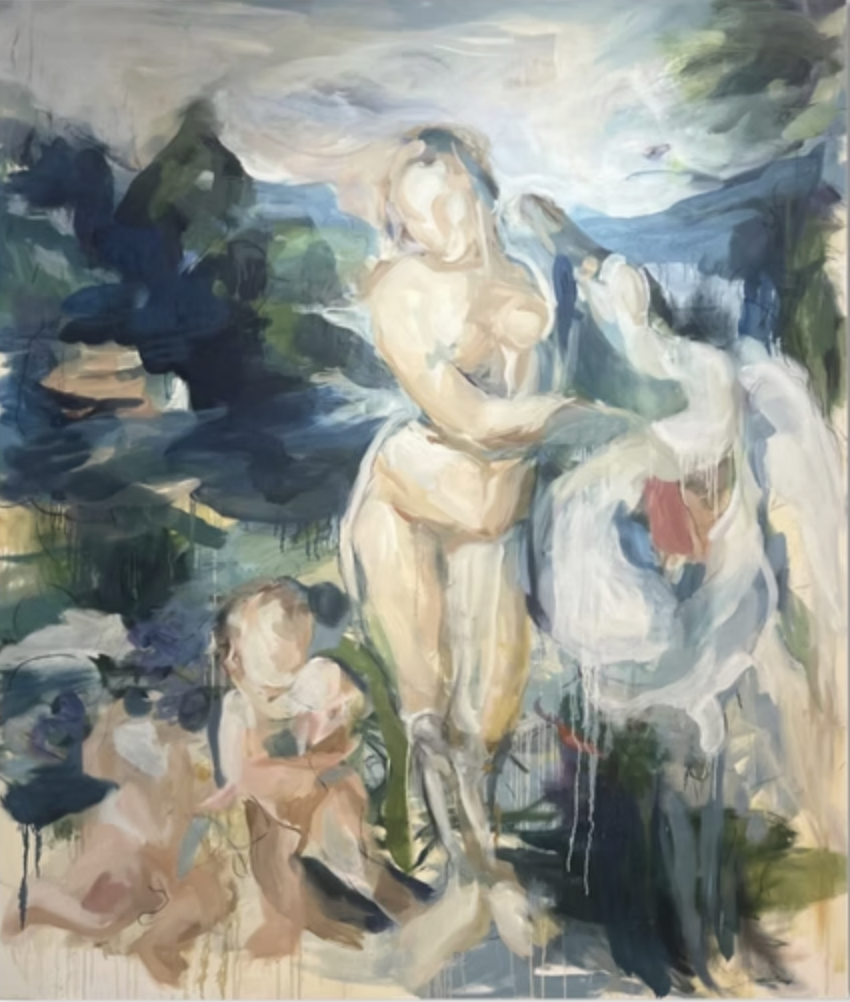
Leda
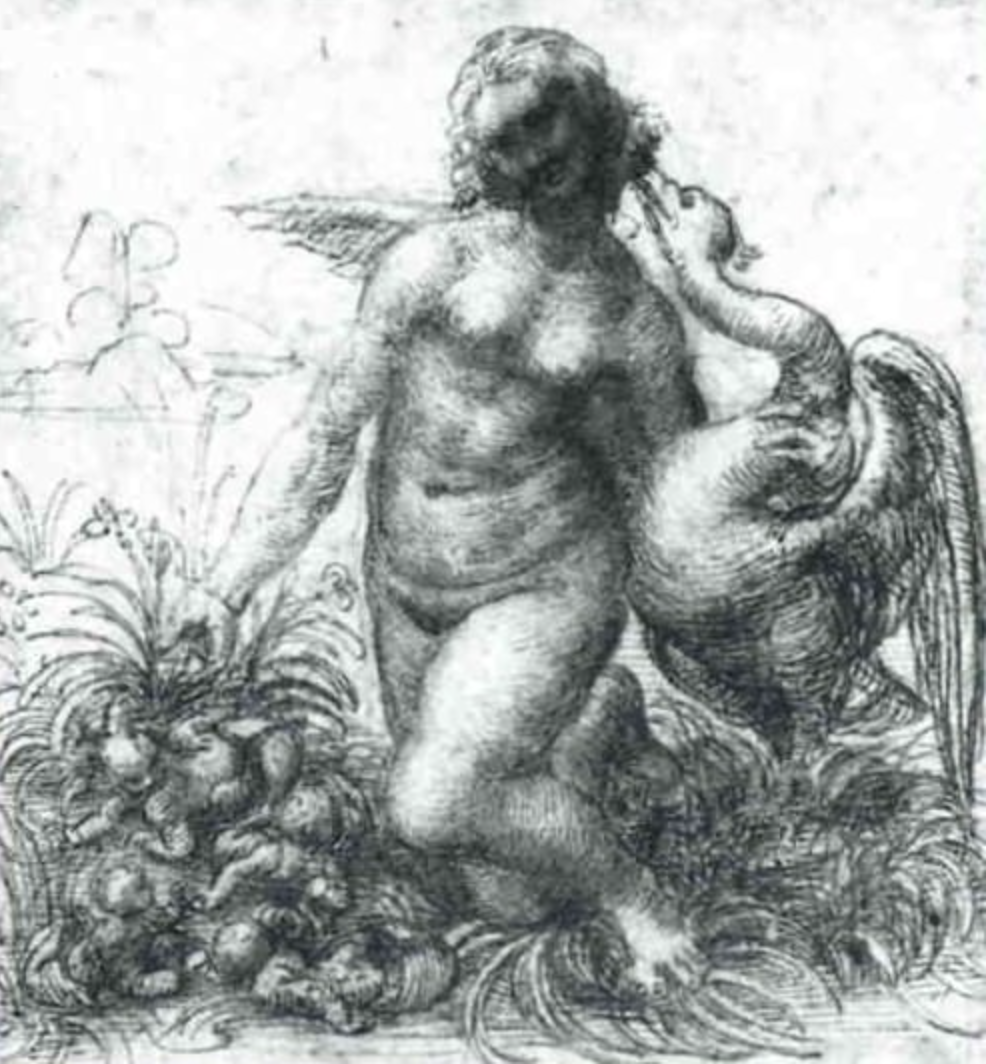
Study for a Kneeling Leda, Leonardo Da Vinci
In Leda, she reworks Leda and the Swan, the myth of a mortal woman and a god in disguise, stripping away the erotic spectacle historically painted by male hands and replacing the swan's dominance with something more ambiguous and interior.
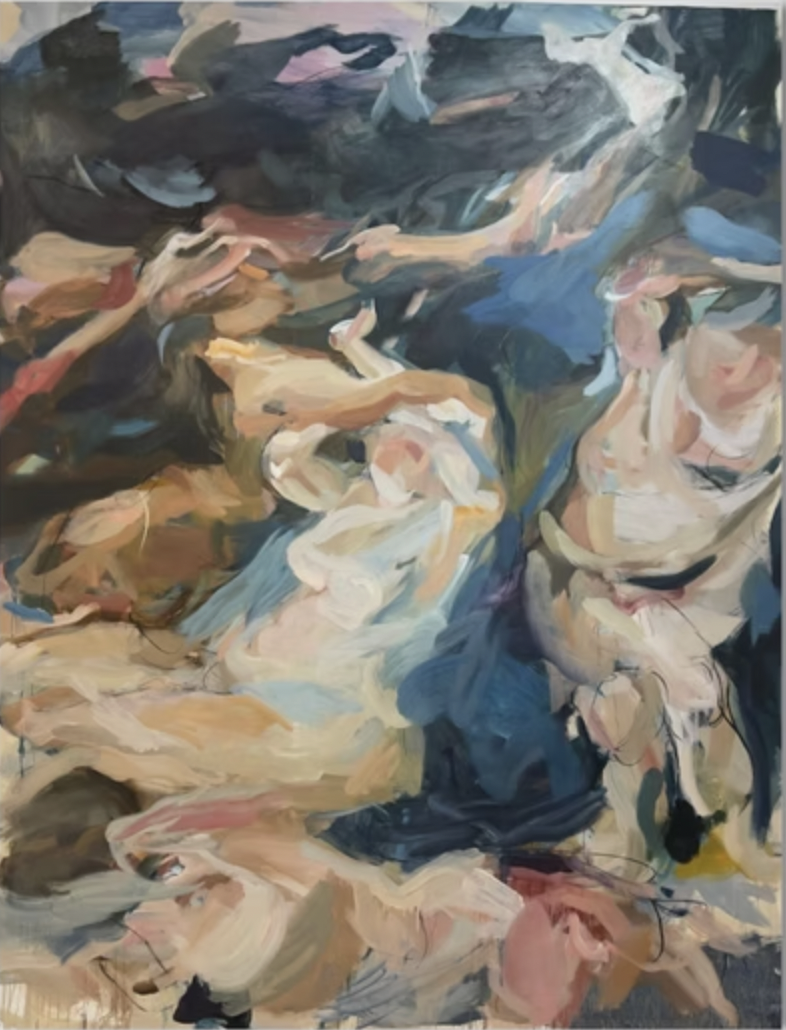
The Sabines
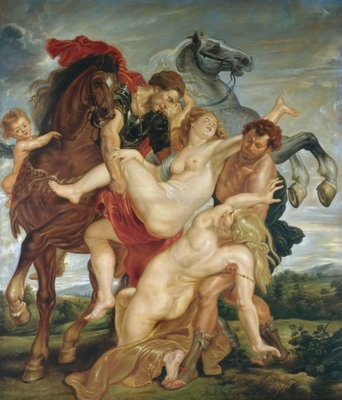
The Rape of the Daughters of Leucippus, Peter Paul Rubens
In The Sabines, she references the Sabine women, a scene restaged for centuries as a study in twisting bodies and dramatic anguish, and asks what it looks like told from inside the woman's experience rather than staged as spectacle for the viewer.
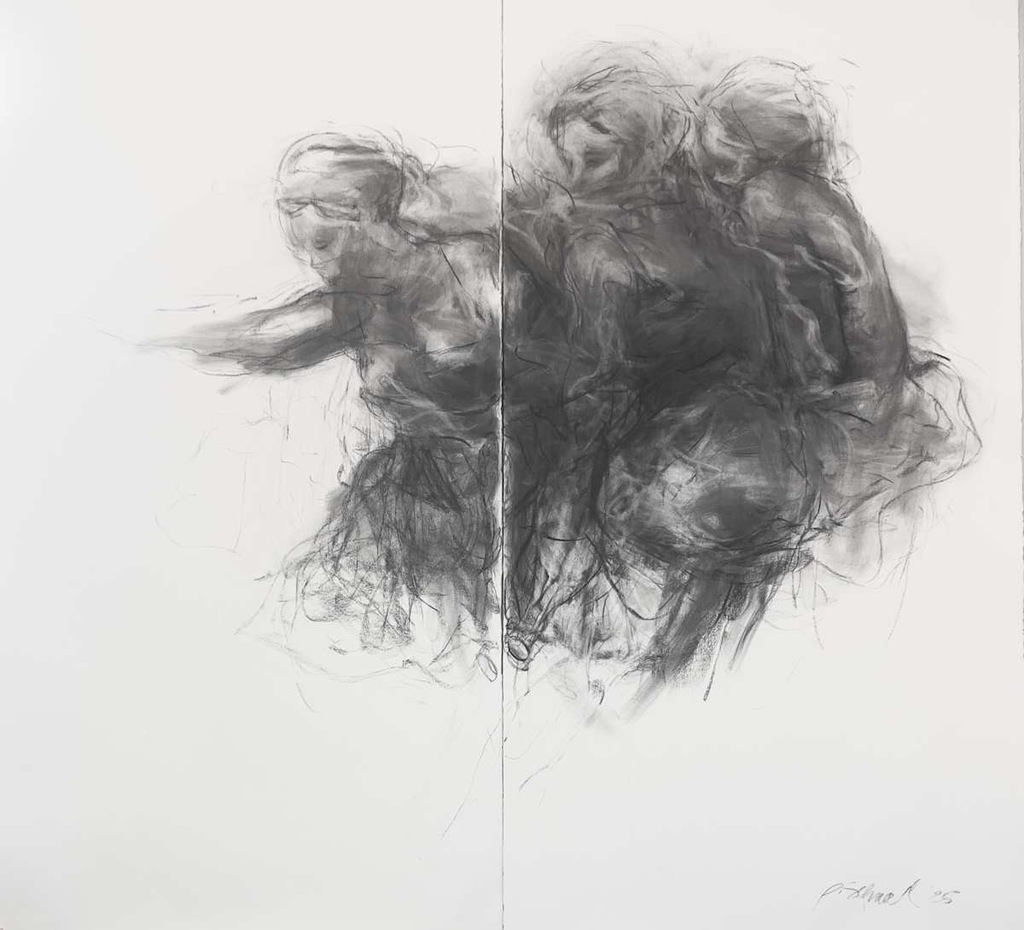
The Graces Redefined
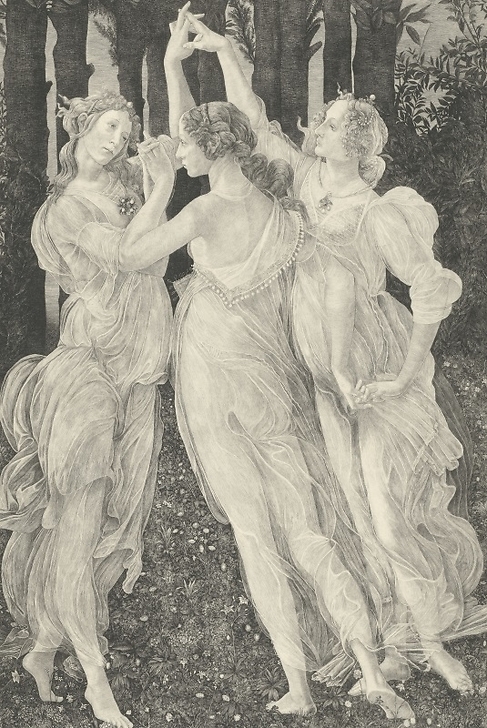
Engraving The Three Graces, Botticelli
And in The Graces Redefined, recently exhibited at Palm Beach Modern + Contemporary 2025, she takes on the Three Graces themselves — the mythological trio painted by Botticelli and Raphael as smooth-skinned, symmetrical ideals — and redraws them lined, layered and caught mid-motion, the way real bodies actually carry decades of memory and survival.
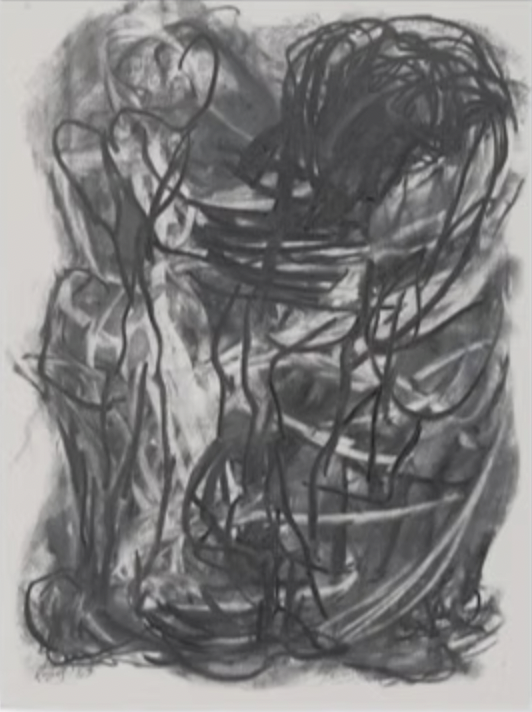
Hey, What's Up
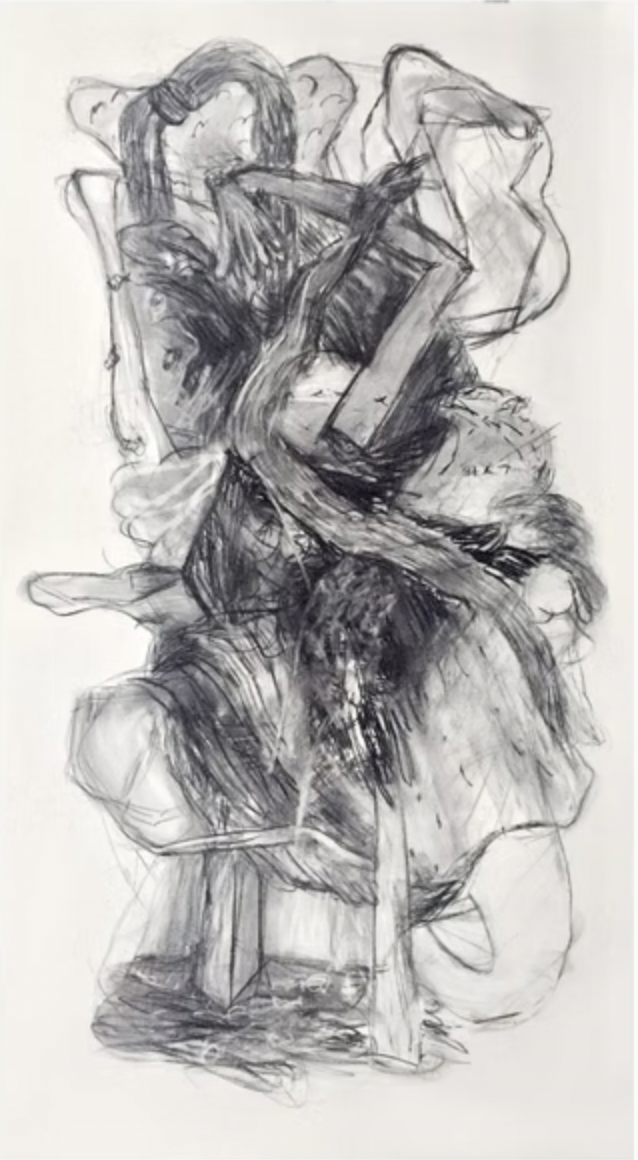
Post Op 2
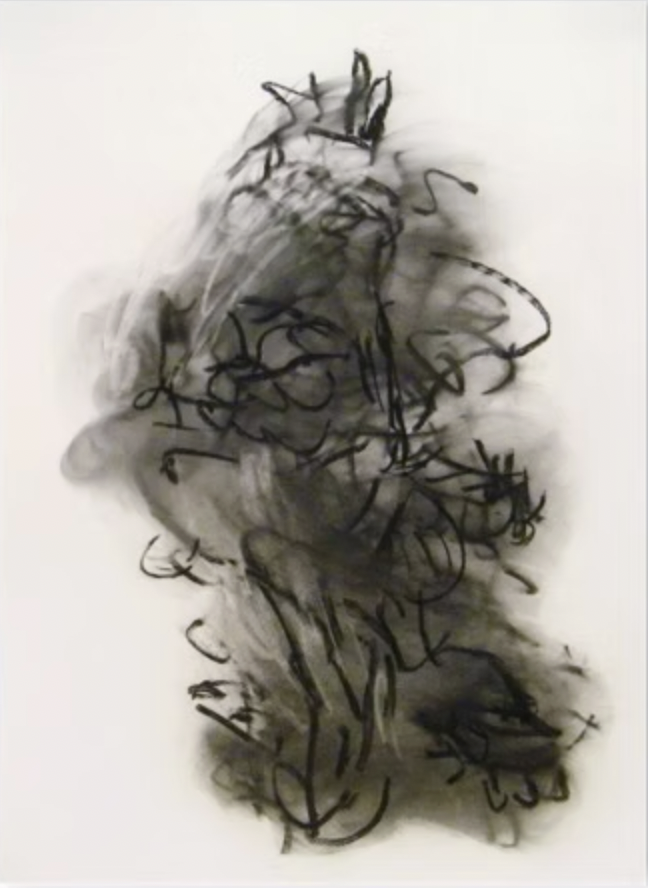
Dream Recall 2
Her charcoal work also carries the raw, physical charge of postwar American abstraction — the mark-making of artists like Jenny Saville, Joan Mitchell, and Willem De Kooning, painters who treated the surface as a site of confrontation rather than polish.
That instinct traces back to her childhood in Buffalo, where the collection at the Albright-Knox Art Gallery, now the AKG Art Museum, gave her an early and formative encounter with Abstract Expressionism, one she has pointed to as the single biggest artistic influence of her life.
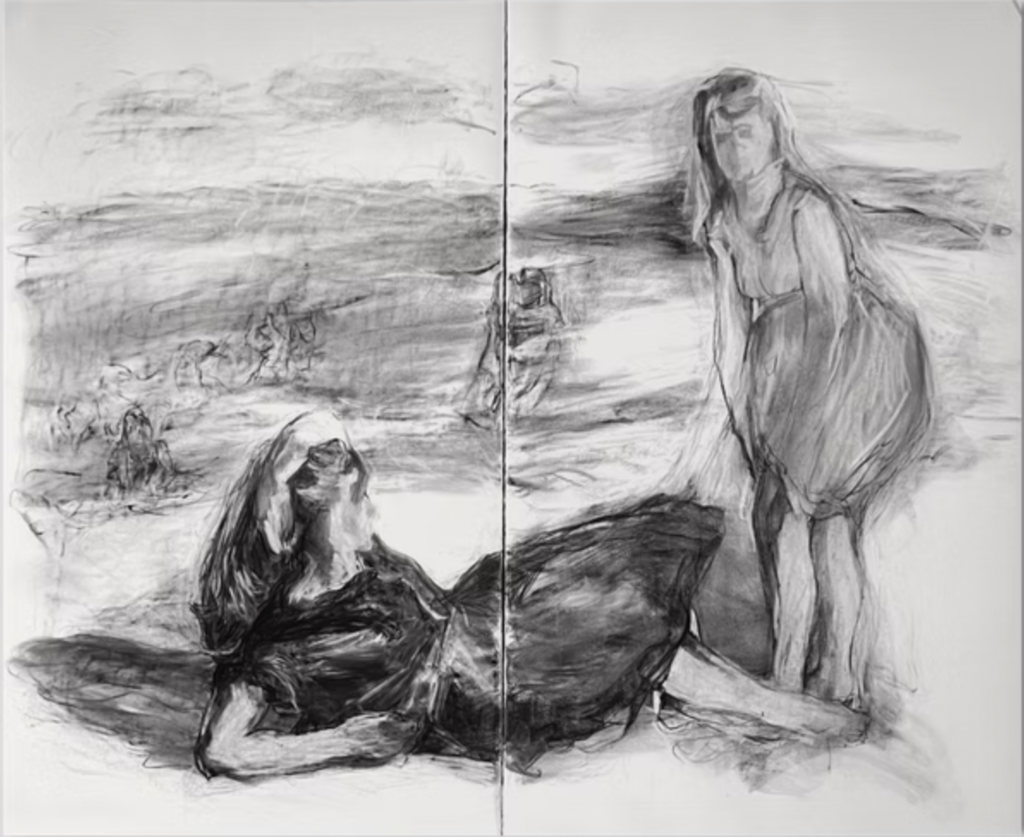
Revisiting Manet's Beach
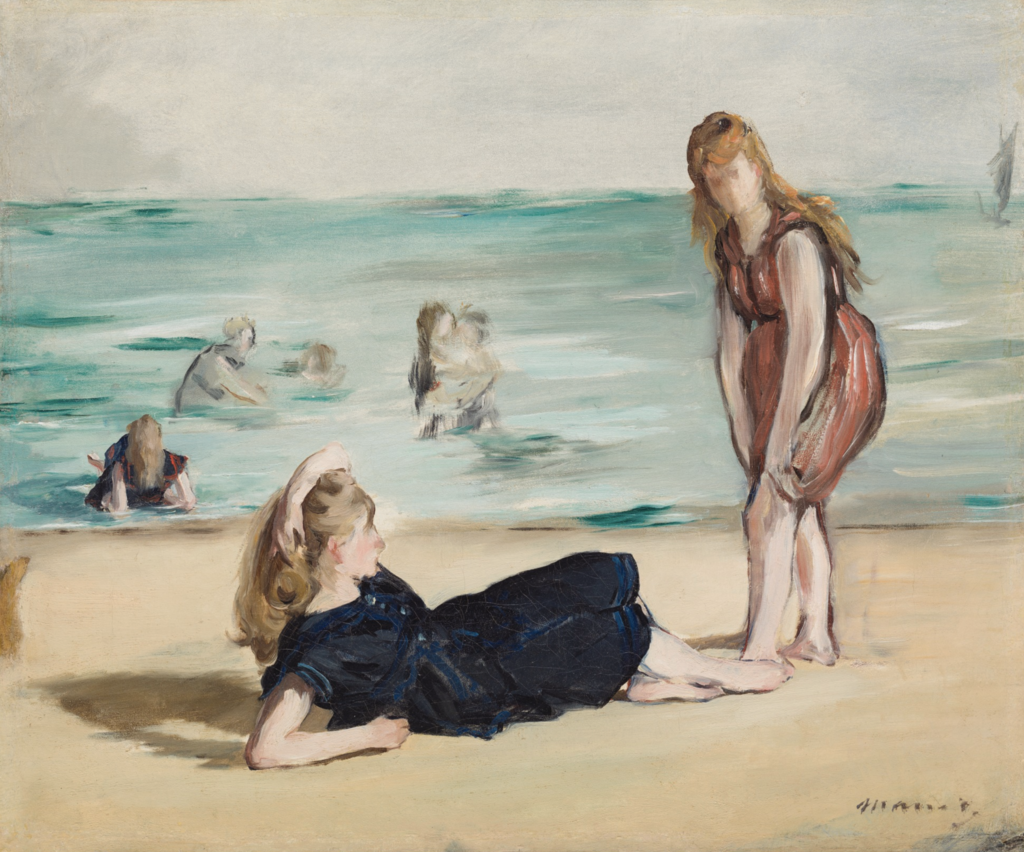
On the Beach, Édouard Manet
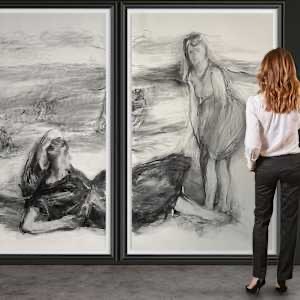
Revisiting Manet's Beach, a loose, gesturally charged charcoal work on 72x90" archival paper, reimagines Édouard Manet's 1873 painting On the Beach. Where Manet posed two female figures side by side, Patricia replaces them with two girls in physical, unguarded contact — the piece that first set her on the path of reinterpreting classic paintings through contemporary women.
"I think adult women have a very different relationship with each other than adult men have with each other," she says. That interpretation is reflected in Revisiting Manet's Beach — a contemporary scene, depicted by a male's perspective, and subtly changed. "It's more of a nurturing or caring feeling. I feel women are more psychological in their relationships." It is in these psychological nuances that Patricia reinvents her scenes.
Revisiting Manet's Beach
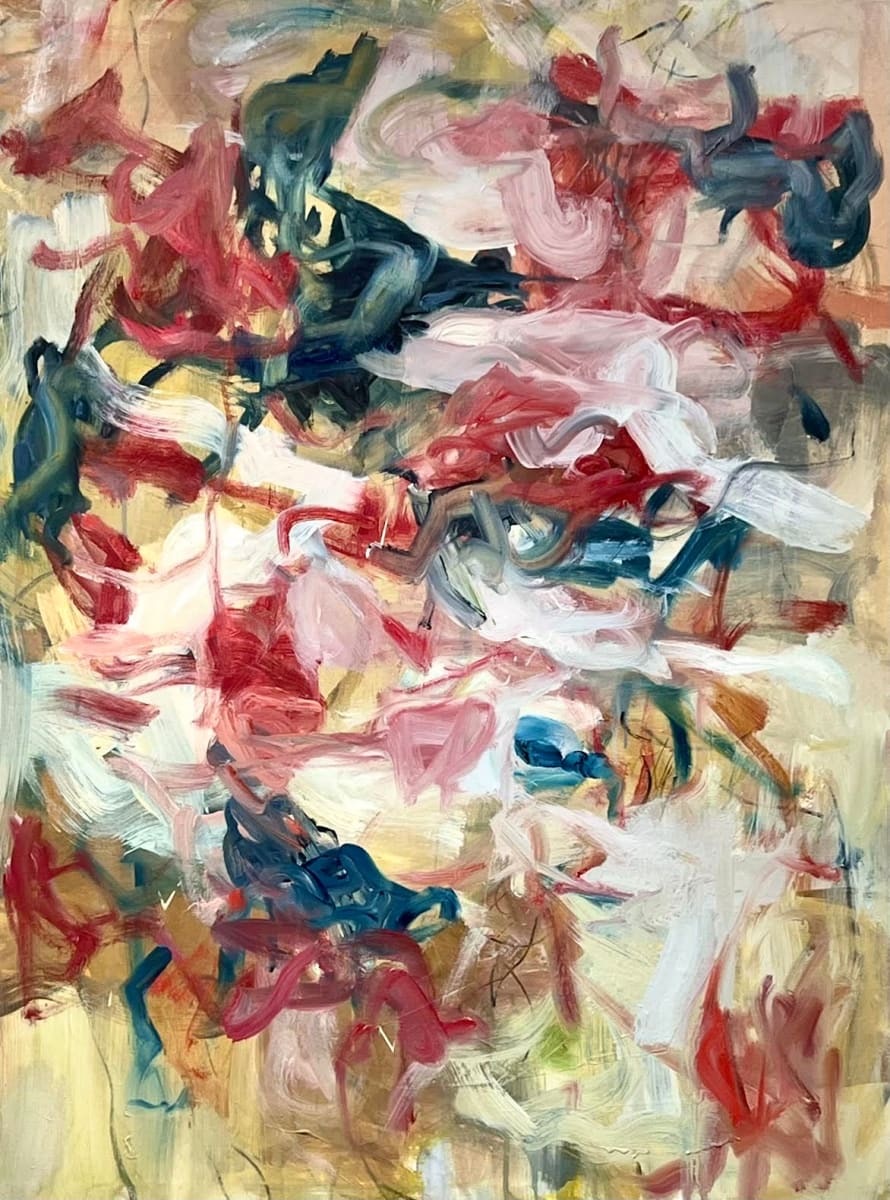
Shiaparelli's in the House
No artist looms larger over her work than Willem de Kooning. "I've had a love affair with his work since I was in college," she says. "He has clearly been an inspiration throughout my career."
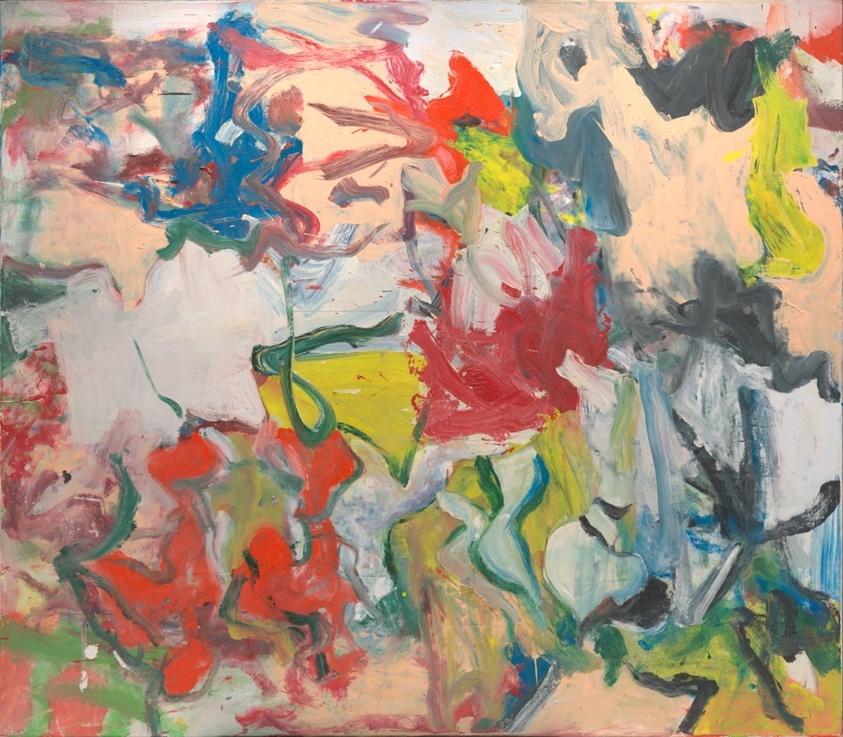
Untitled XI, Willem De Kooning
The comparison carries new weight this year as the Art Institute of Chicago opened "Willem de Kooning Drawing," the first exhibition dedicated solely to his works on paper and the museum's first solo show of the artist since 1969 — a 200-plus-work argument that drawing, not painting, was the true catalyst of his career.
Patricia has spent her own career making a case that a charcoal drawing is not a sketch for something else, but the work itself.
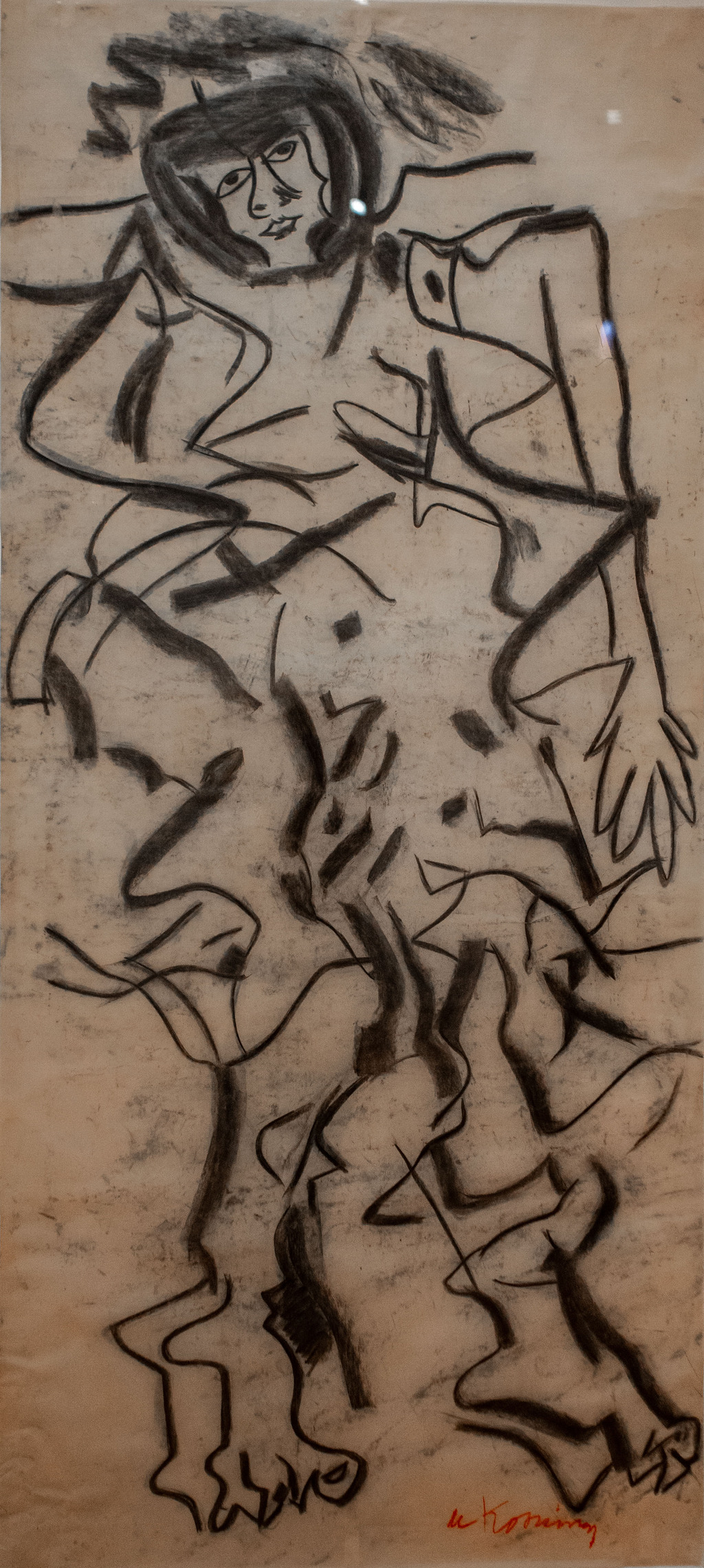
Woman, Willem De Kooning, 1963-1964
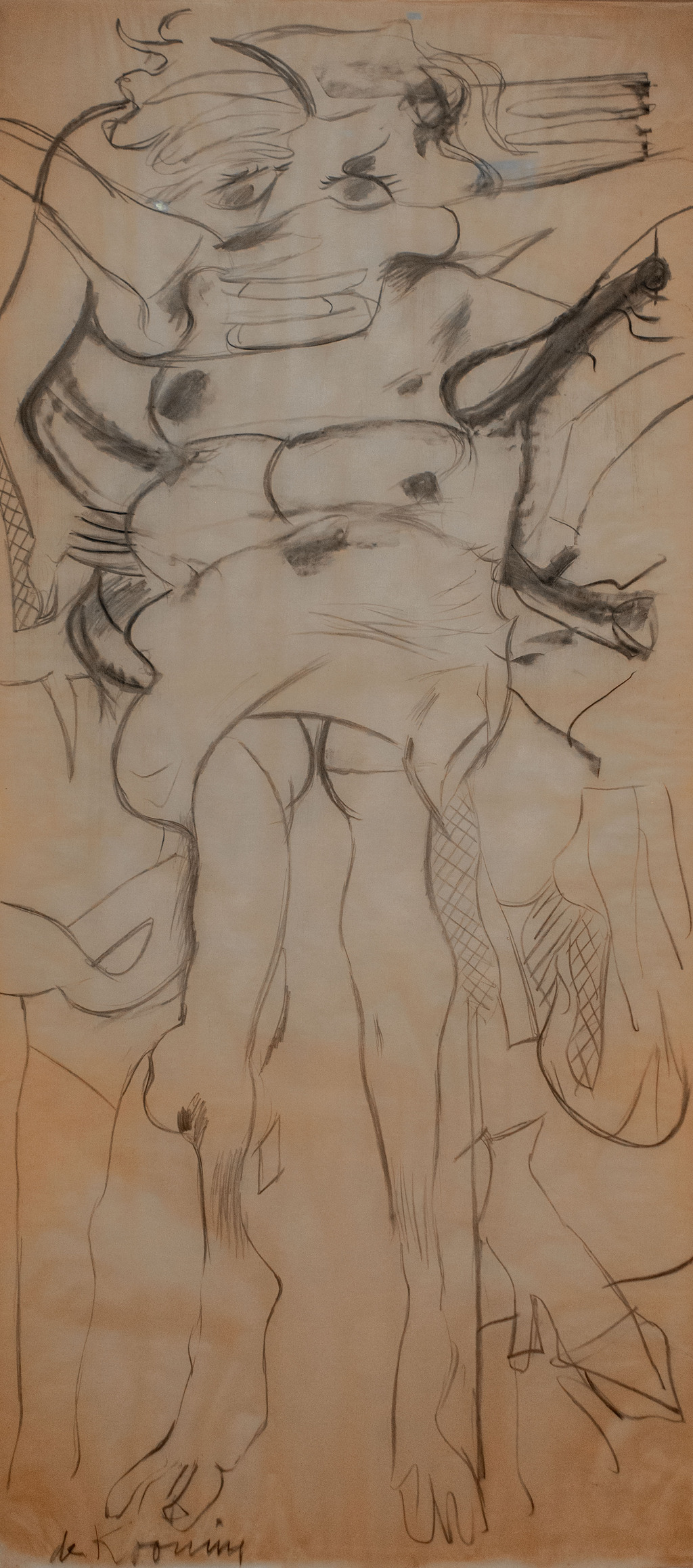
Woman, Willem De Kooning, 1965
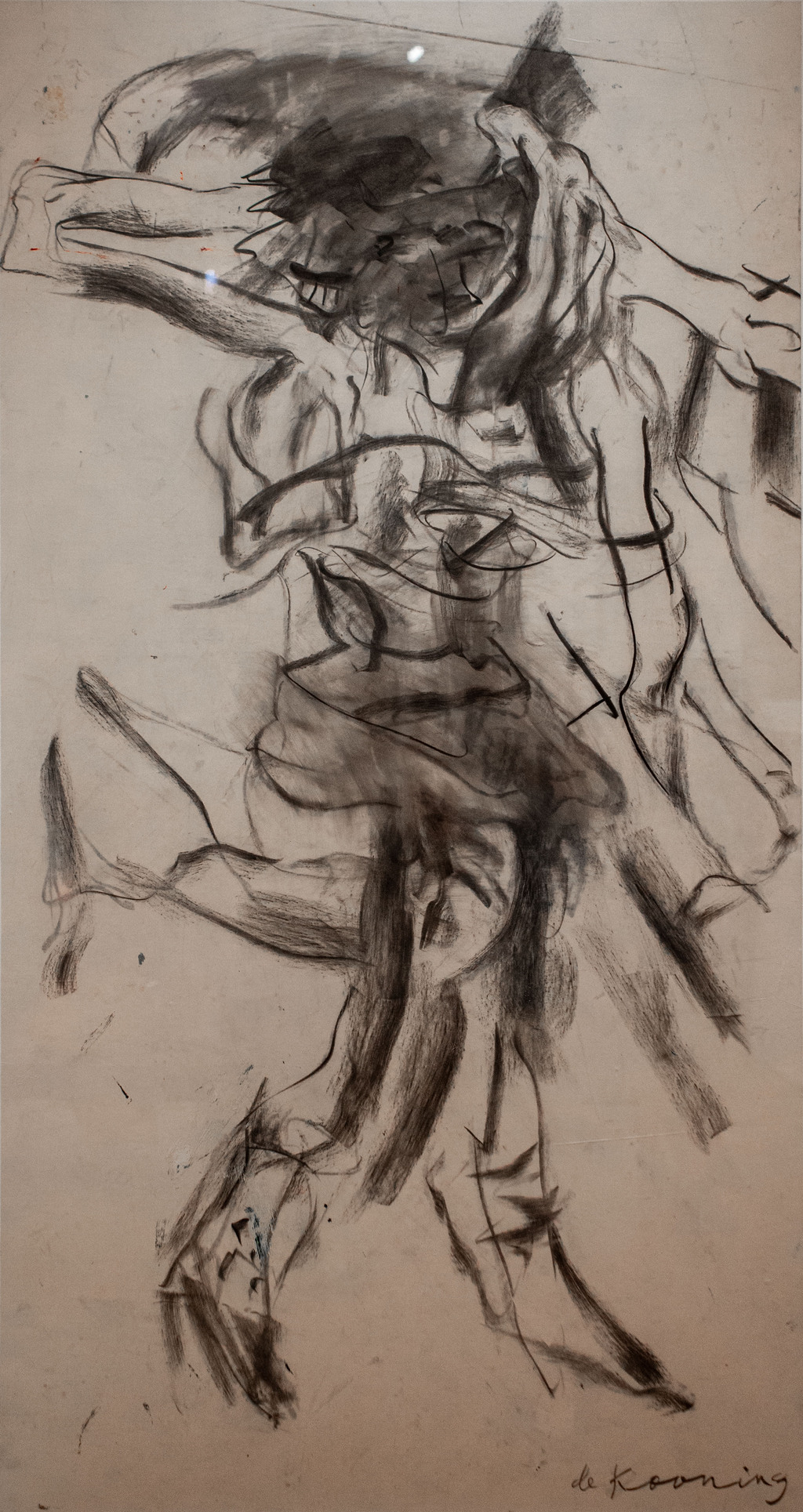
Woman, Willem De Kooning, 1978
De Kooning built an entire series of Abstract Expressionist paintings and drawings around the female form, canvases now enshrined in museums, that Patricia views with a mix of admiration and pointed distance.
"They were pretty scary looking," she says. "Sexual, frightening, threatening. Although, the paintings are great, this is a male interpretation of femininity."
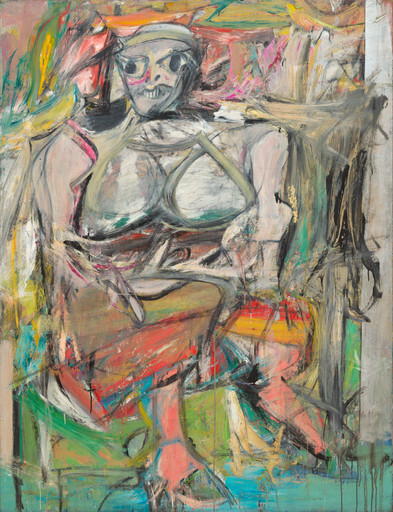
Woman I, Willem De Kooning
Another inspiration is Cindy Sherman, whose decades of self-portraiture — staged as other women, other characters, other selves — taught her that the artist's own face and body could serve as an extension of the artwork rather than simply the hand behind the work.
Patricia folds her own likeness into many of her pieces this way: a face here, a body pose there, embedded inside larger-than-life Renaissance figures.
That instinct is inseparable from a frustration she has carried for most of her career, over the persistent underrepresentation of women's stories in museums and galleries, in the canon she was trained on and the one she has spent her life pushing against.
Much of that reckoning, she has said, traces back to unexpectedly ordinary sources. "I did most of my thinking when I was in a laundry room," she says. "And I thought about the fact that I was brought up that way. My mother was taught how to do the laundry. Was taught how to fold everything properly and to put it away and to stack it."
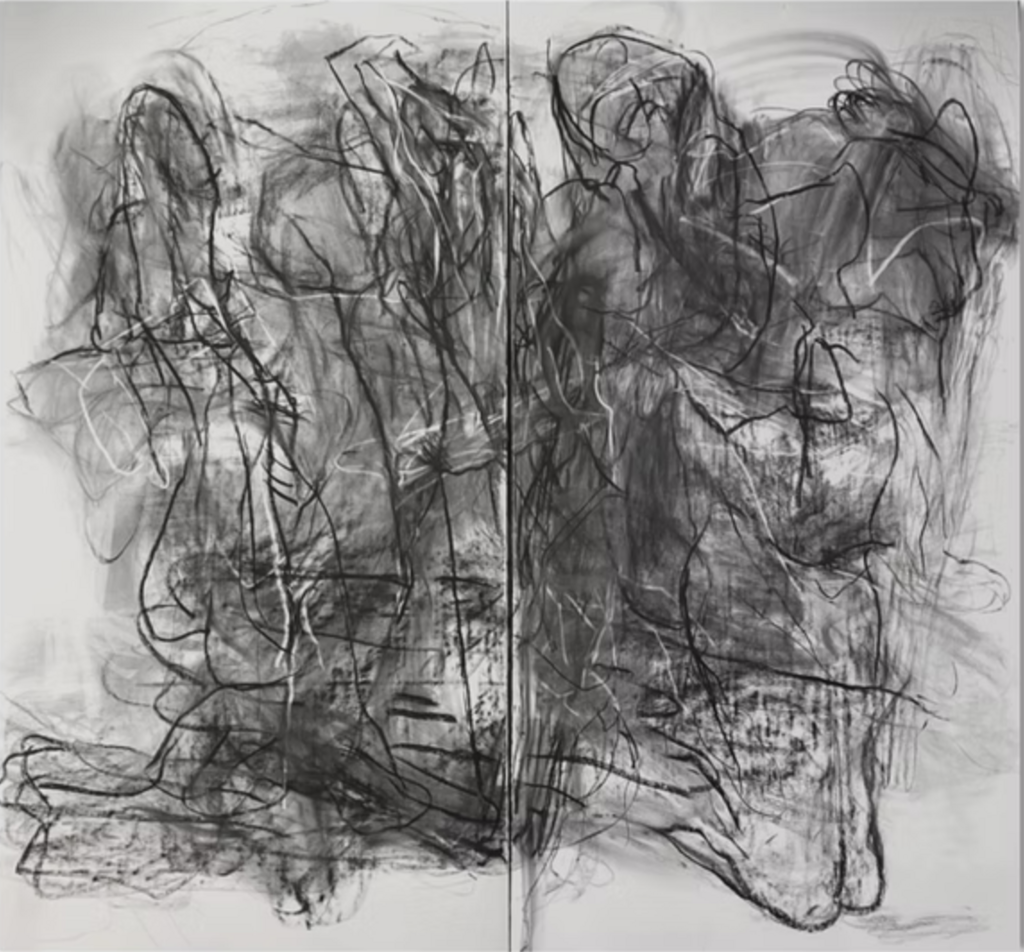
I'm All Over The Place
"The drawings and paintings are primarily considered figurative abstraction, however, many of the preliminary drawings underneath may have household references," she says. "The sculptures and installations I do really dive into women's lives in the home, often referencing household items and duties."
That approach found its clearest audience during "Remember Me," her 2024 solo exhibition at the Burchfield Penney Art Center in her native Buffalo. "I touched on so many stories of women," Patricia notes. "I actually had women come up to me during my artist talk there and thank me for telling our stories. It was very touching. One woman was in tears."
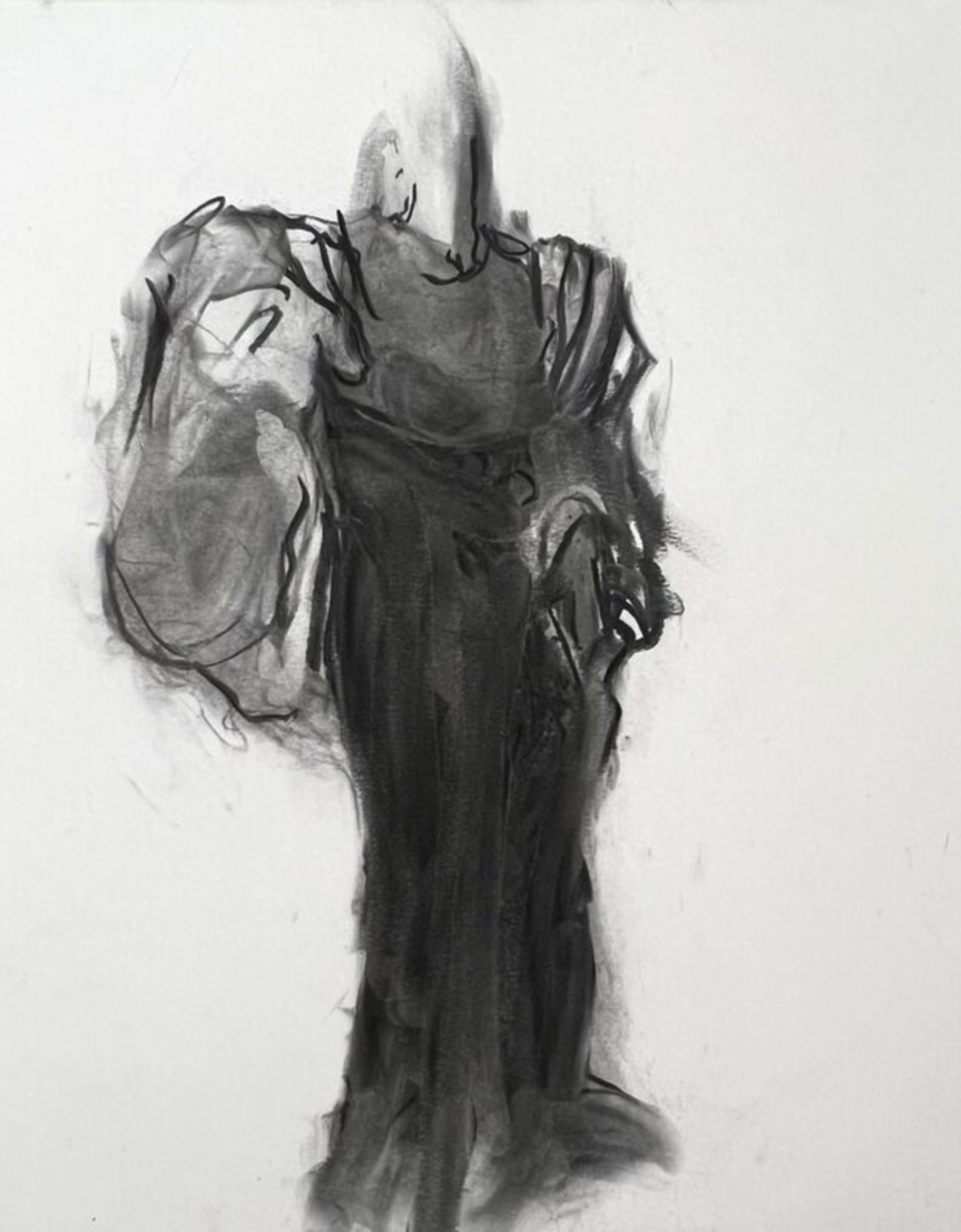
Fashion Statement 9
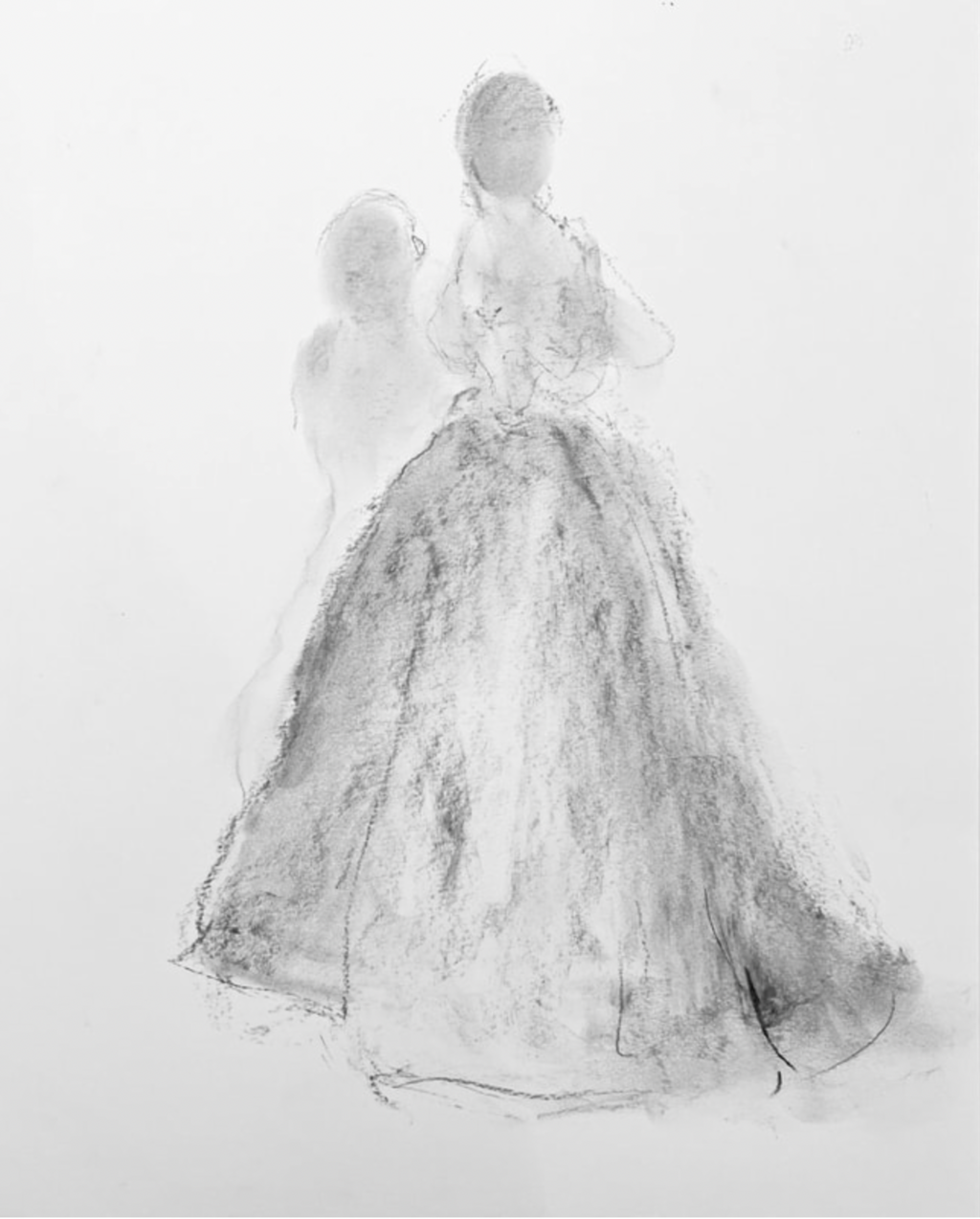
Fashion Statement #11
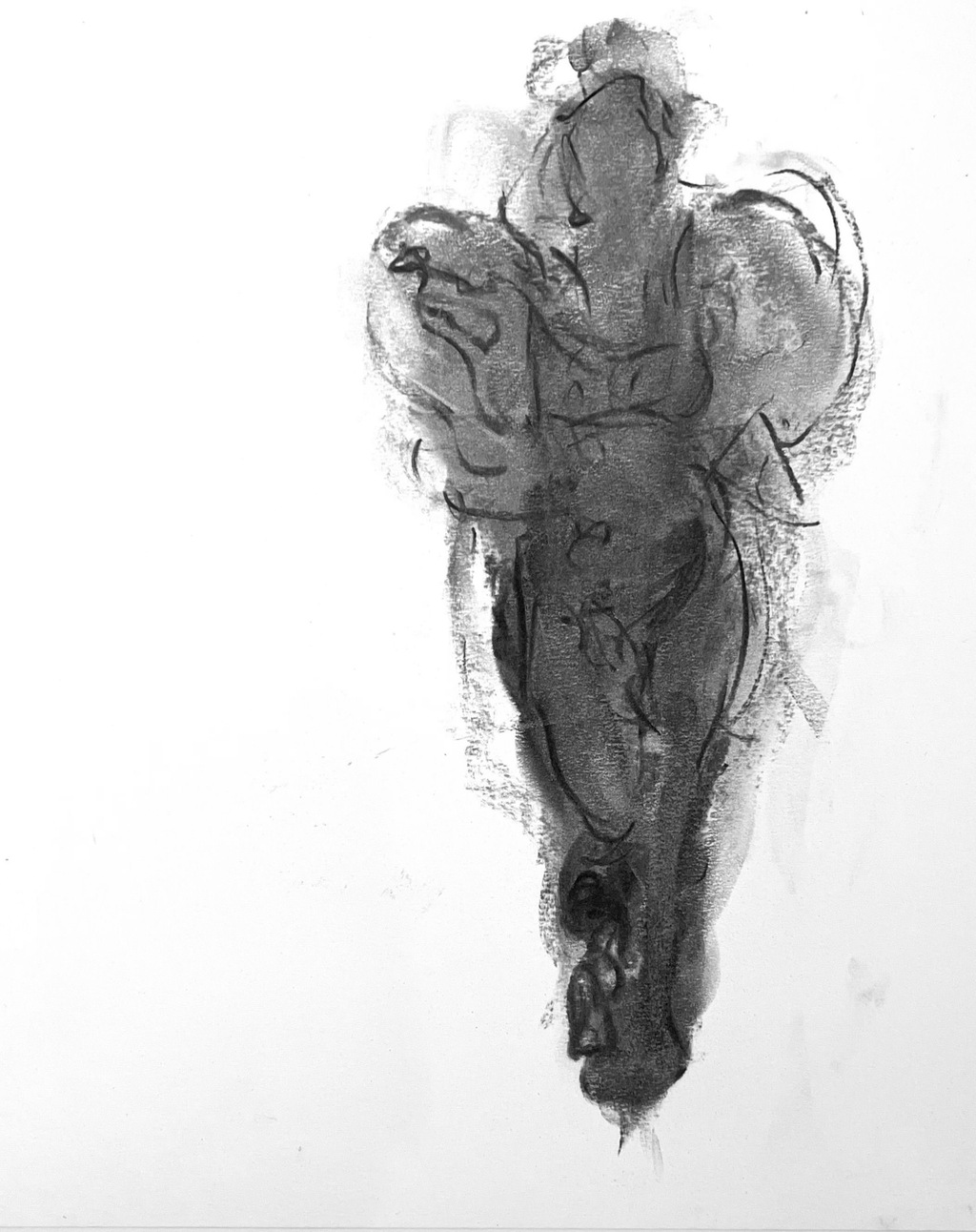
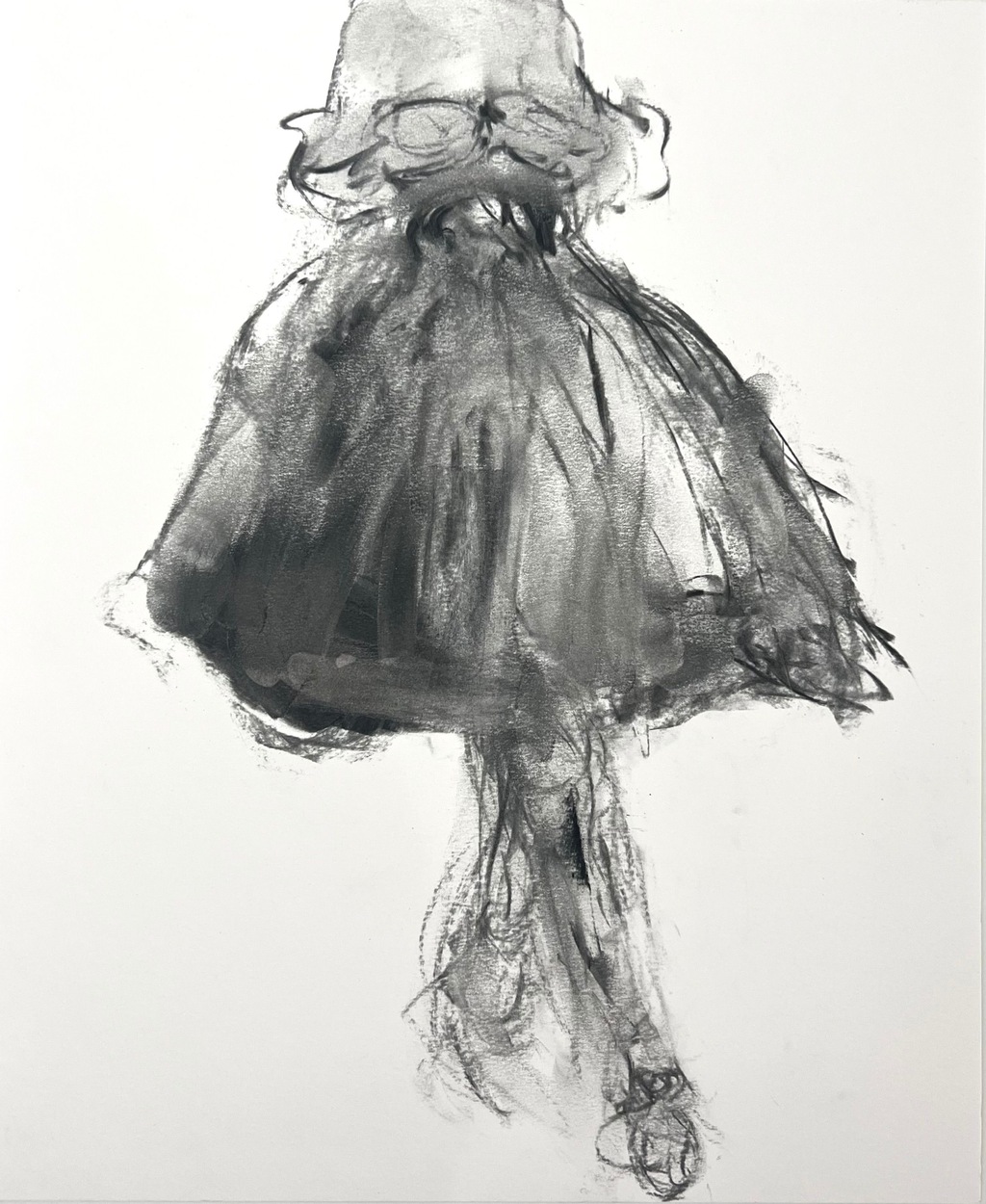
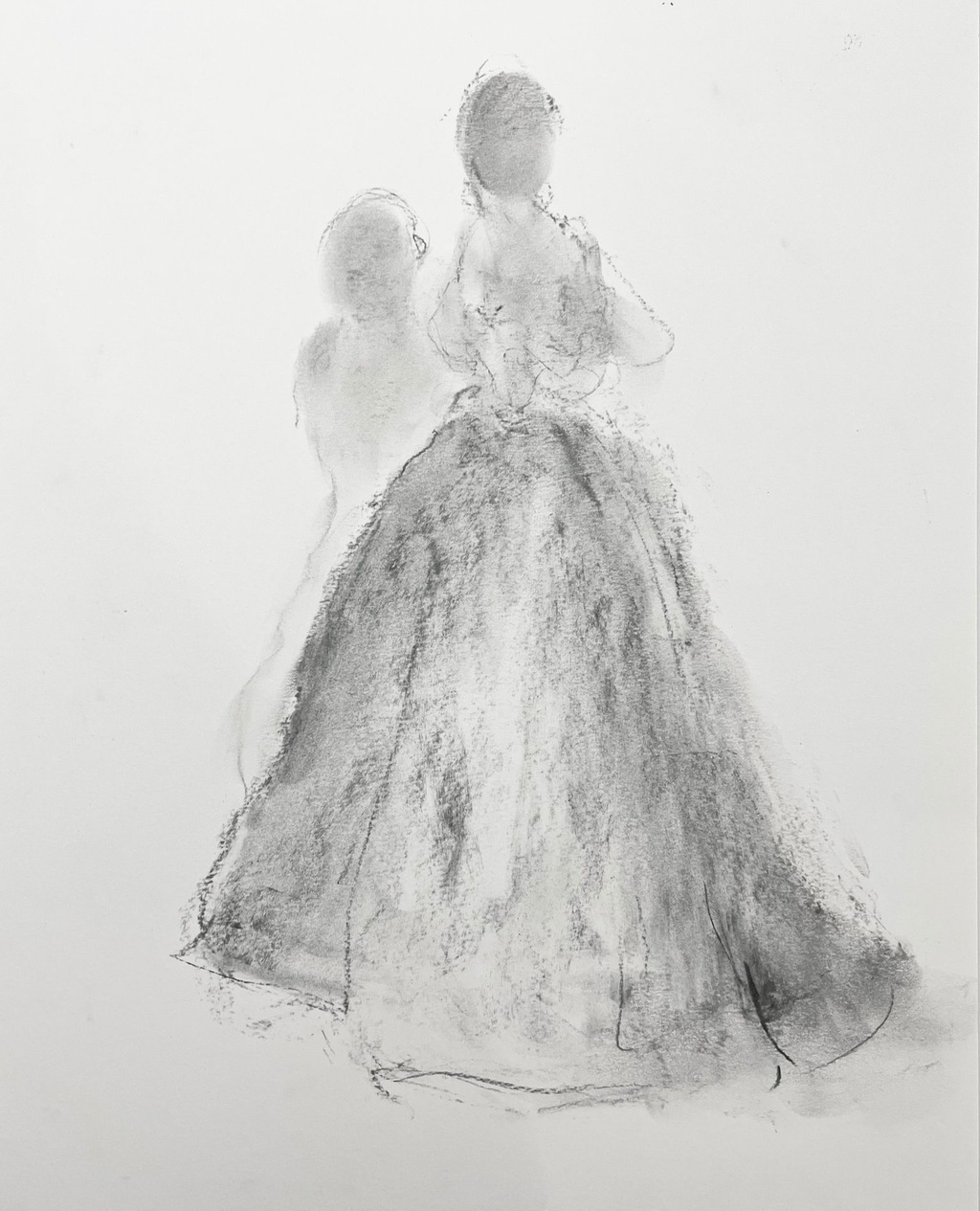
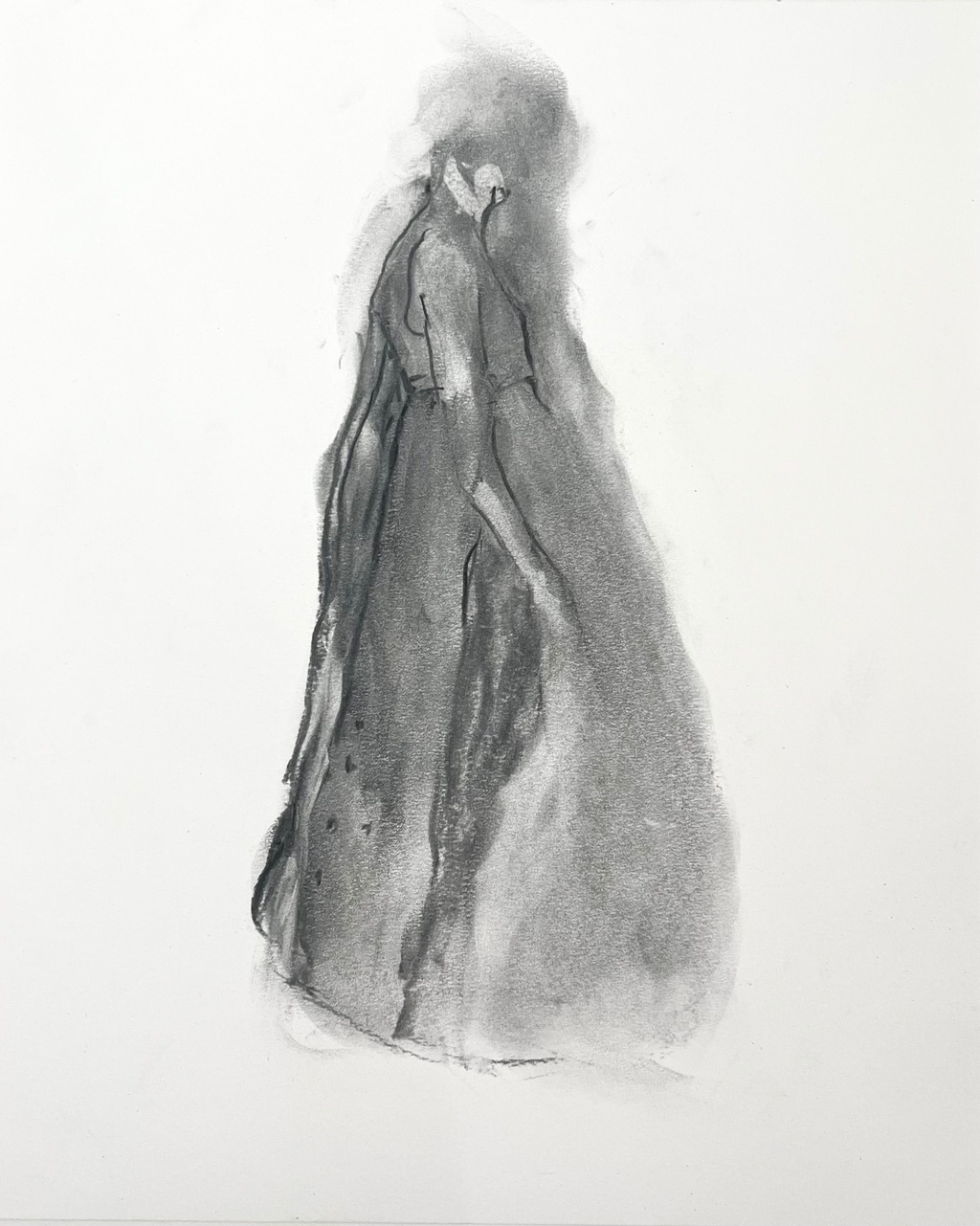
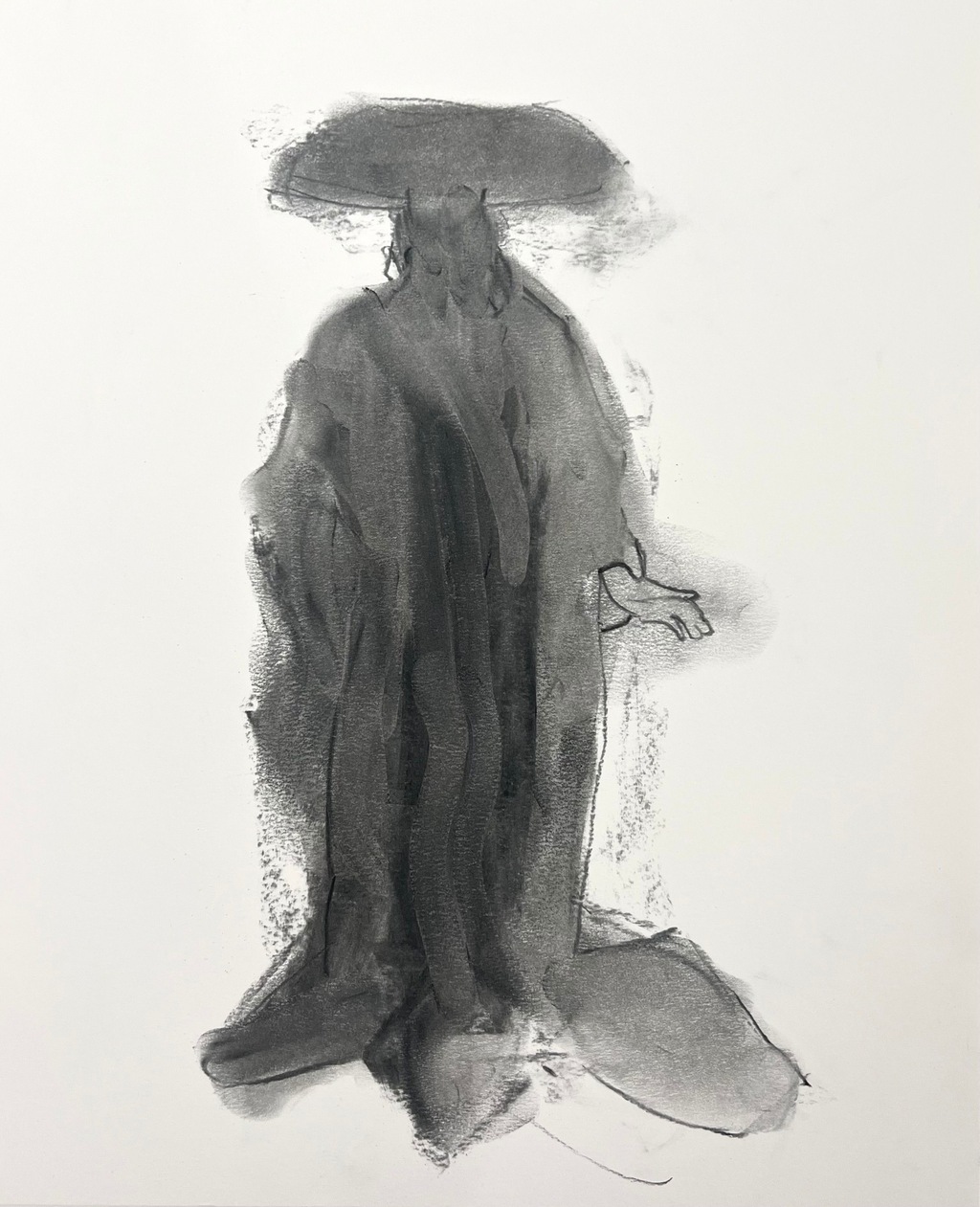
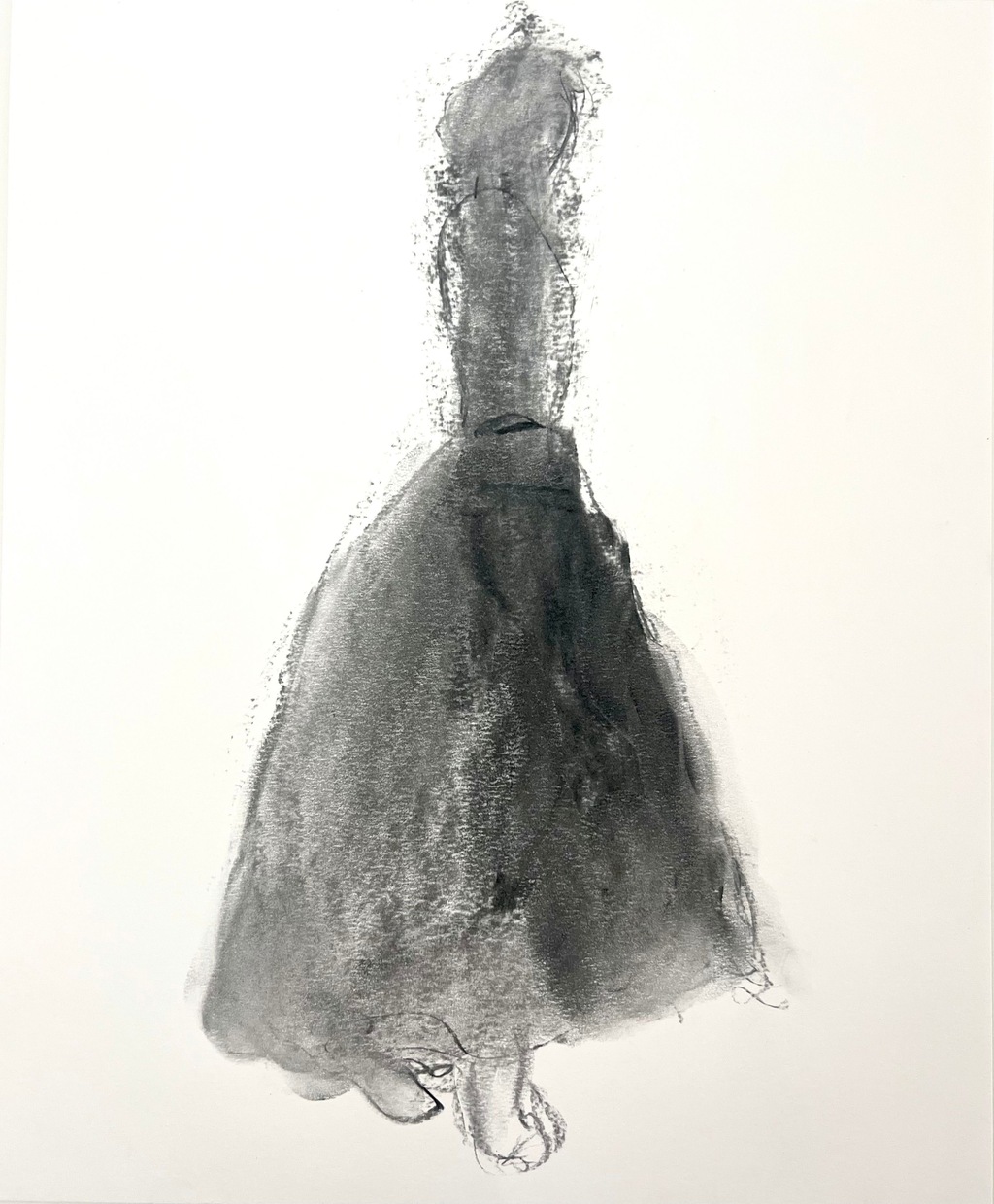
Her high-fashion series, Love Me Now — Couture in Art, featured at Aldo Castillo Gallery, turns the same eye toward fashion, another surface women are taught to negotiate identity through.
Patricia's appreciation for fine art—from the Renaissance masters to contemporary icons—extends to fashion as well, inspired by the color and lines of couture as another form of self-expression. The connection resonates with Miami fashion authority and The Fashion Poet founder Annie Vazquez, whose career has spanned luxury fashion, style journalism, and creative direction.
"I love how she portrays women as beautiful, powerful figures in her art that all have a unique story," Vazquez said about "Love Me Now—Couture in Art."
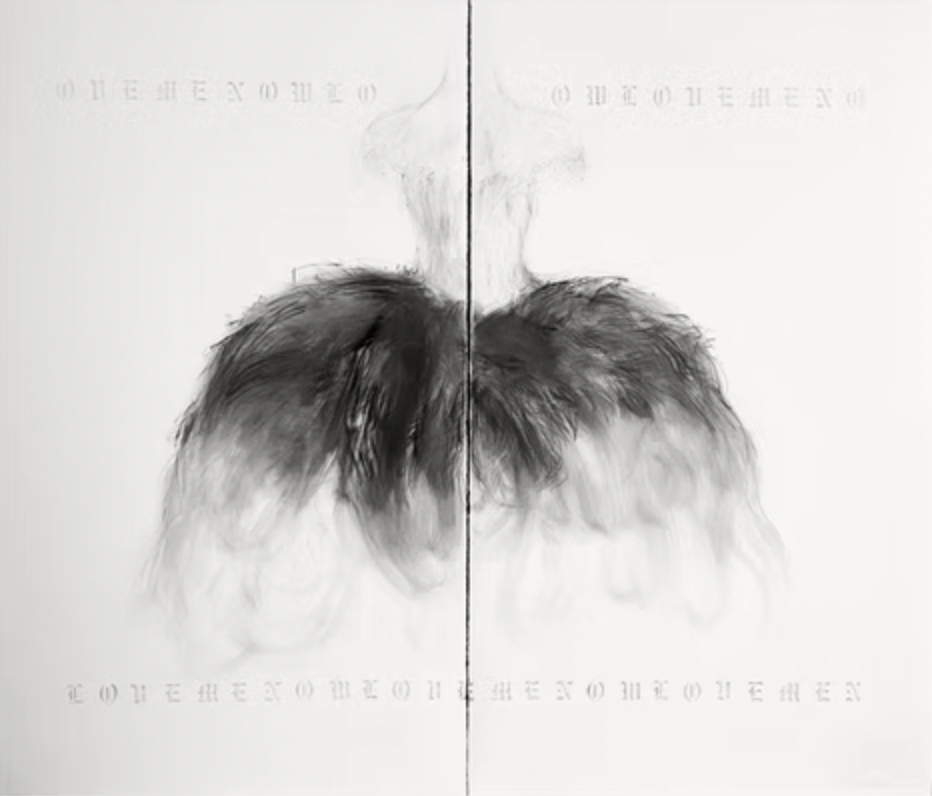
Love Me Now 3
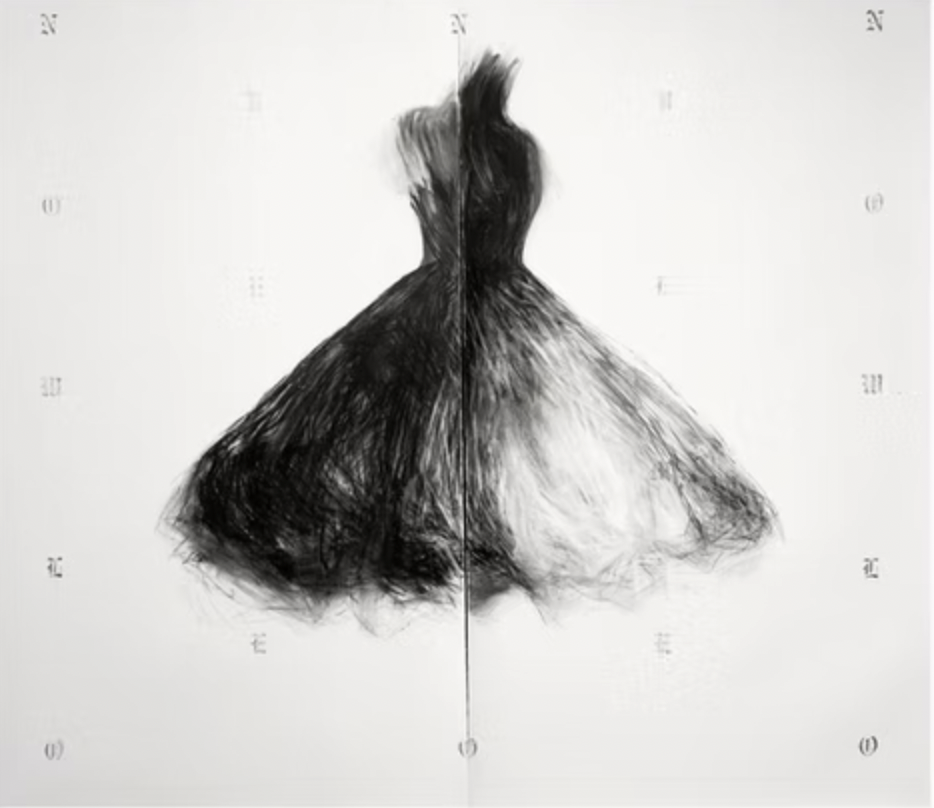
Love Me Now
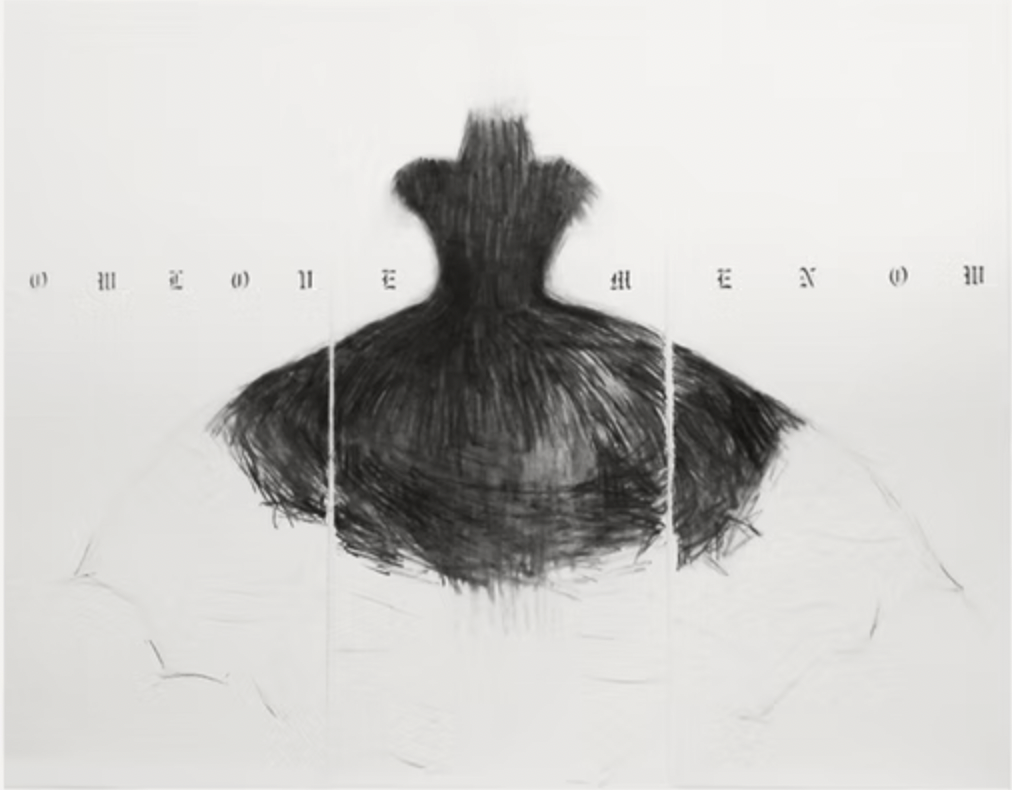
Love Me Now
More than a reinterpretation of the Renaissance. More than a drawing. More than a record.
For Patricia Schnall Gutierrez, it's all about a woman deciding, again and again, what she is actually allowed to be in modern society.
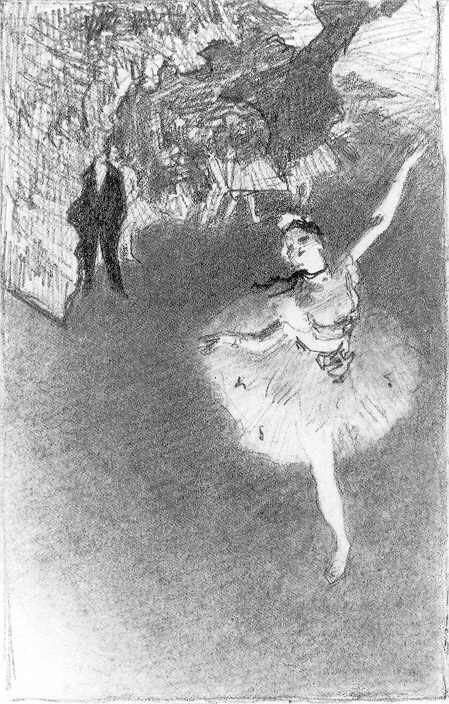
L'Etoile, After Degas, John Singer Sargent
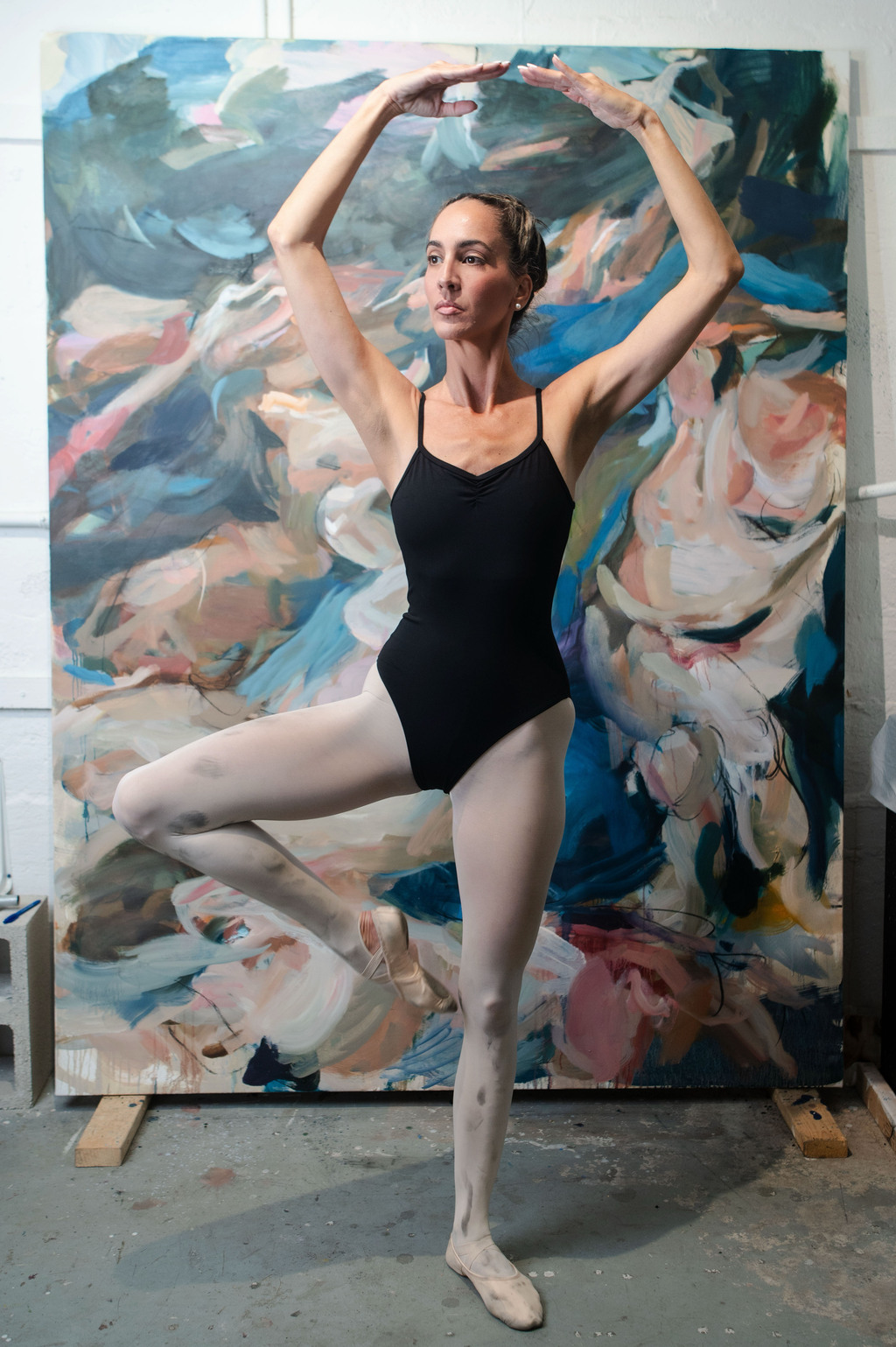
Dancer Marilyn Andrea Fuentes
Visit www.psgarts.com to see more of Patricia's artwork.
Follow Patricia Schnall Gutierrez: @pschnallgutierrez
Follow Marilyn Andrea Fuentes: @marilynandrea_fuentes
Follow Annie Vazquez: @thefashionpoet