
THE HERON POST presents ICONS
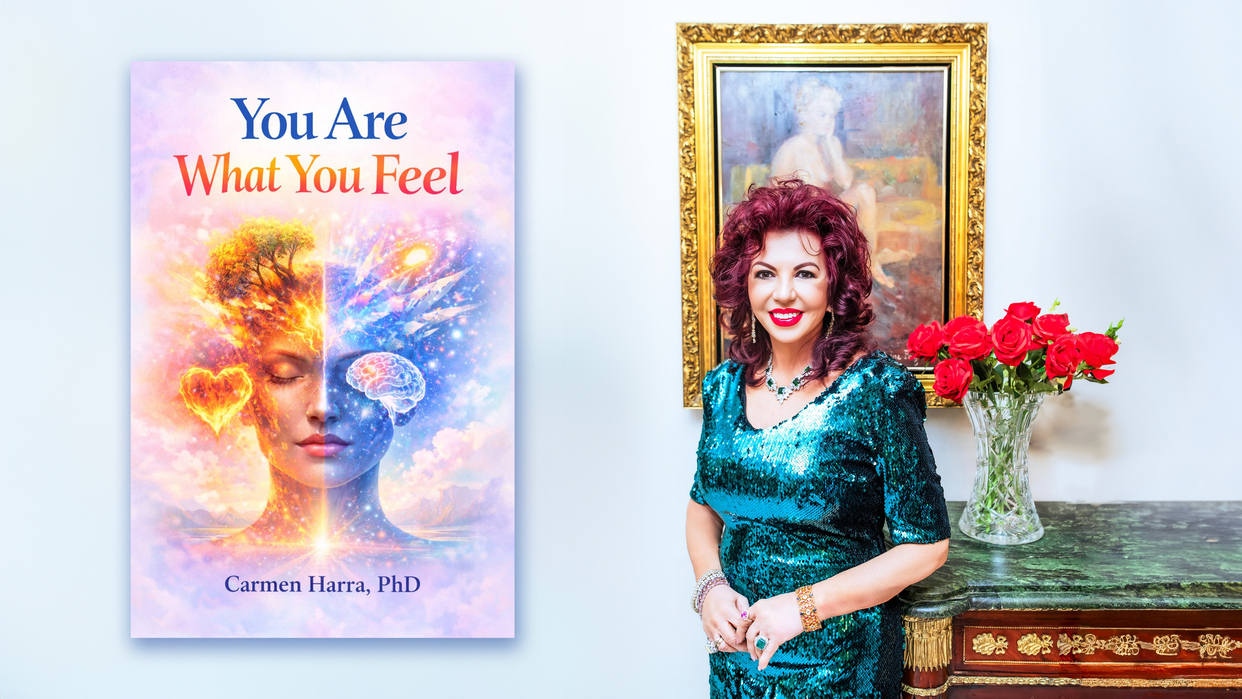
At five years old, Dr. Carmen Harra briefly drowned in a river near her home in Transylvania. When she was pulled back to life, she later described something in her perception as having changed—an early, unexplainable sensitivity to people, patterns, and emotional undercurrents that others could not yet see.
Studies estimate that about 15–20% of people who come close to death report near-death experiences with lasting psychological shifts, often including heightened intuition or awareness. For Carmen, that moment started her on a lifelong spiritual journey.
Now, her new book, You Are What You Feel, distills that lifelong perspective into a single central idea: emotions are not reactions to life—they are the forces that shape it. She wants people to reclaim their power and take control of their destiny.

Dr. Carmen Harra
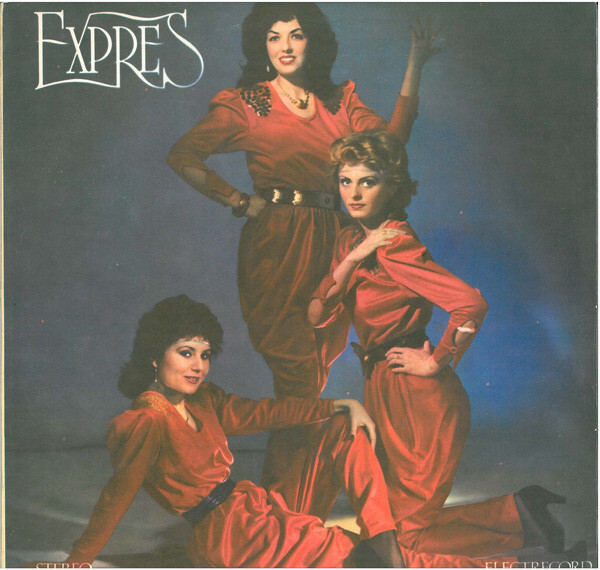
Born in 1955 in Bistrița, Romania, Carmen grew up under a rigid communist regime where art, speech, and opportunity were tightly controlled. Even so, she emerged early as a musical talent. By her teens, she was already performing nationally, and by adulthood she had built a successful European music career, releasing multiple albums and touring internationally as part of the group Trio Expres.
In a system where creativity was monitored, performance became both expression and constraint. Carmen rebelled the only way she knew how—she sang. Carmen sang American pop songs in Romanian, bringing the freedom, positivity, and love of music and Western culture to her homeland and fans throughout Europe.
THE AMERICAN DREAM
In 1985, Carmen traveled to New York for a short gig and chose not to return. That decision marked a permanent defection from her life in Romania and the beginning of a complete reinvention in the United States. Her story could have ended happily ever after here, but Carmen was invigorated with the American dream.
She later pursued advanced academic studies in psychology, building on earlier education in philosophy and philology, and earned a Ph.D. in Clinical Psychology. She expanded her work into hypnotherapy, numerology, and behavioral analysis, developing a hybrid approach that combines clinical training with intuitive interpretation.
What emerged was a framework that blends structure with perception—science with intuition.
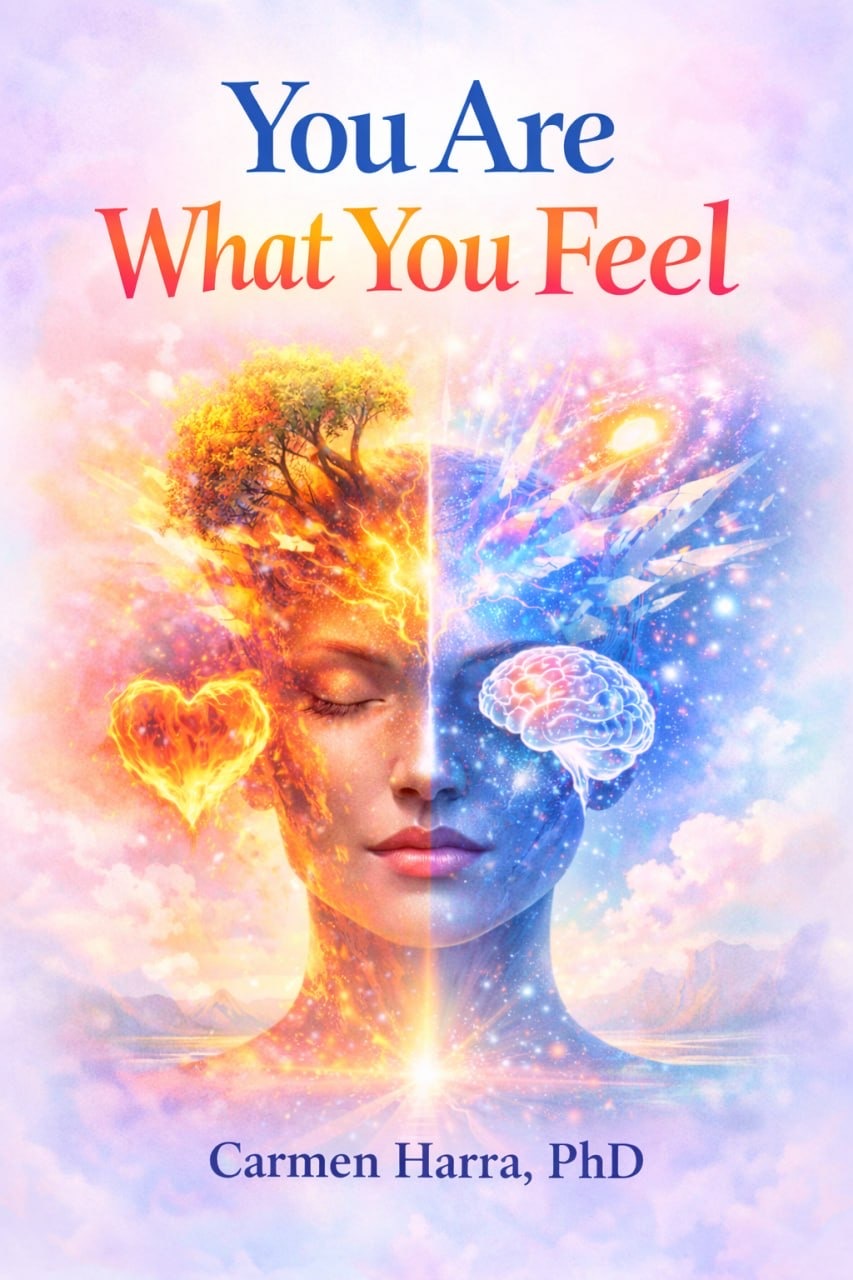
You Are What you Feel by Dr. Carmen Harra, releasing May, 2026
At the heart of the book is a simple but expansive premise:
What you repeatedly feel becomes the architecture of your life.
Carmen argues that emotions are not passive states but active forces that shape behavior, relationships, health, and long-term outcomes. Fear, guilt, and unresolved emotional patterns are not isolated experiences—they accumulate and repeat, often unconsciously shaping life direction.
Conversely, clarity, emotional awareness, and intentional feeling can redirect those patterns.
She believes transformation does not begin with external change, but internal recognition.
You Are What You Feel is not a book about prediction or fate in the traditional sense. It is a book about authorship—about the idea that individuals are continuously participating in the creation of their own emotional and psychological reality.
Before life changes externally, it changes internally.
And before it is seen, it is felt.
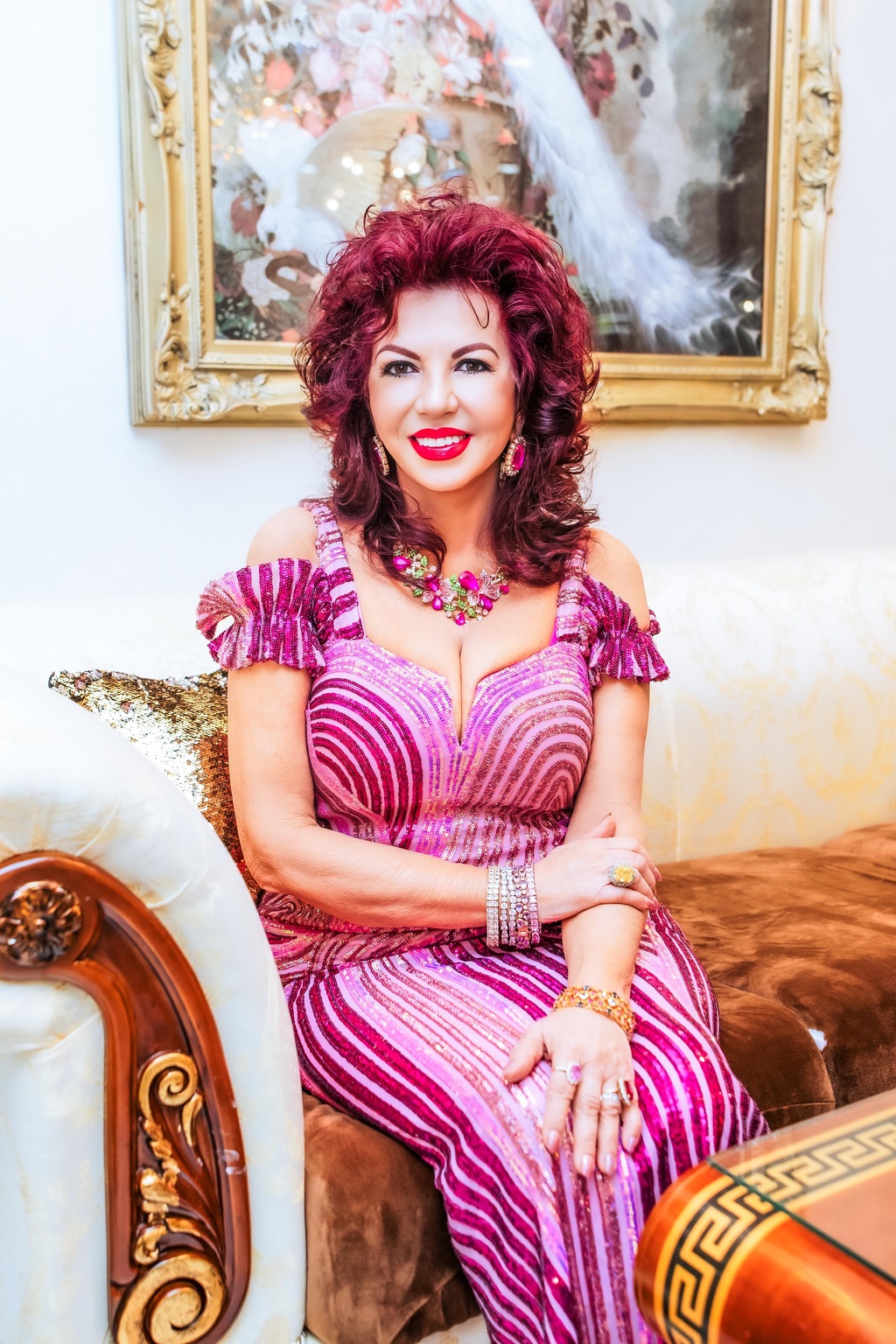
Over the past three decades, Carmen has worked with more than 40,000 individuals, ranging from private clients to public figures across entertainment, politics, and business. This wide exposure forms the foundation of her observations about emotional repetition and human behavior.
Across those experiences, she identifies a recurring pattern: people often relive emotional states long before they recognize the consequences in their external lives.
Her work, then, becomes less about prediction and more about interruption—helping individuals recognize the emotional loops that quietly shape their decisions.
A central thread in You Are What You Feel is the idea that emotions operate like frequencies—states that influence perception and behavior over time.
While framed in accessible language, the underlying concept is consistent: emotional environments shape outcomes. People tend to recreate the emotional conditions they are most familiar with, even when those conditions are limiting.
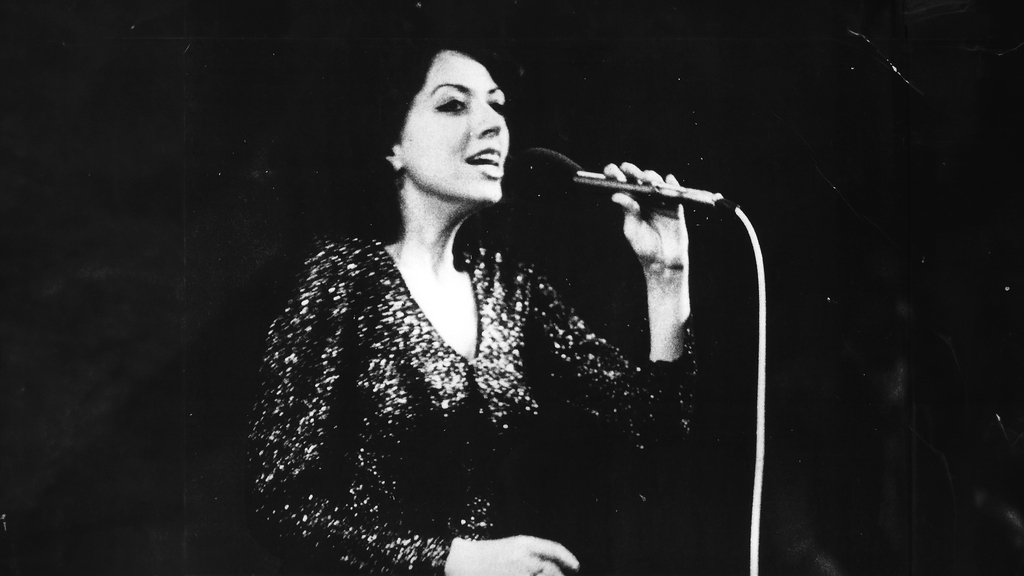
Even as her career shifted into psychology and authorship, Carmen has continued to return to music—her original form of expression. For her, it remains a direct channel for emotion, bypassing analysis and speaking instead through feeling.
That continuity matters in understanding her philosophy: she does not separate emotional expression from emotional understanding. They are part of the same system.
Carmen’s life spans multiple identities: European performer, immigrant, psychologist, author, and counselor. Each transition required a break from the previous self, and each reinvention deepened her focus on how internal states shape external realities.
Her career in the United States expanded through books, media appearances, and private consultations. Her work has appeared across major platforms including television and international publications, bringing her ideas on relationships, destiny, and emotional behavior to a broad audience.
Carmen’s perspective is shaped by extremes: censorship and freedom, performance and psychology, exile and reinvention. From those experiences, she arrives at a consistent conclusion—that emotional awareness is not abstract insight, but practical structure.
It determines how people choose. How they relate. How they repeat or break patterns.
At its core, You Are What You Feel is not asking readers to think differently.
It is asking them to notice differently.
Because in Harra’s framework, what you feel is never just what you feel.
It is what you are becoming.